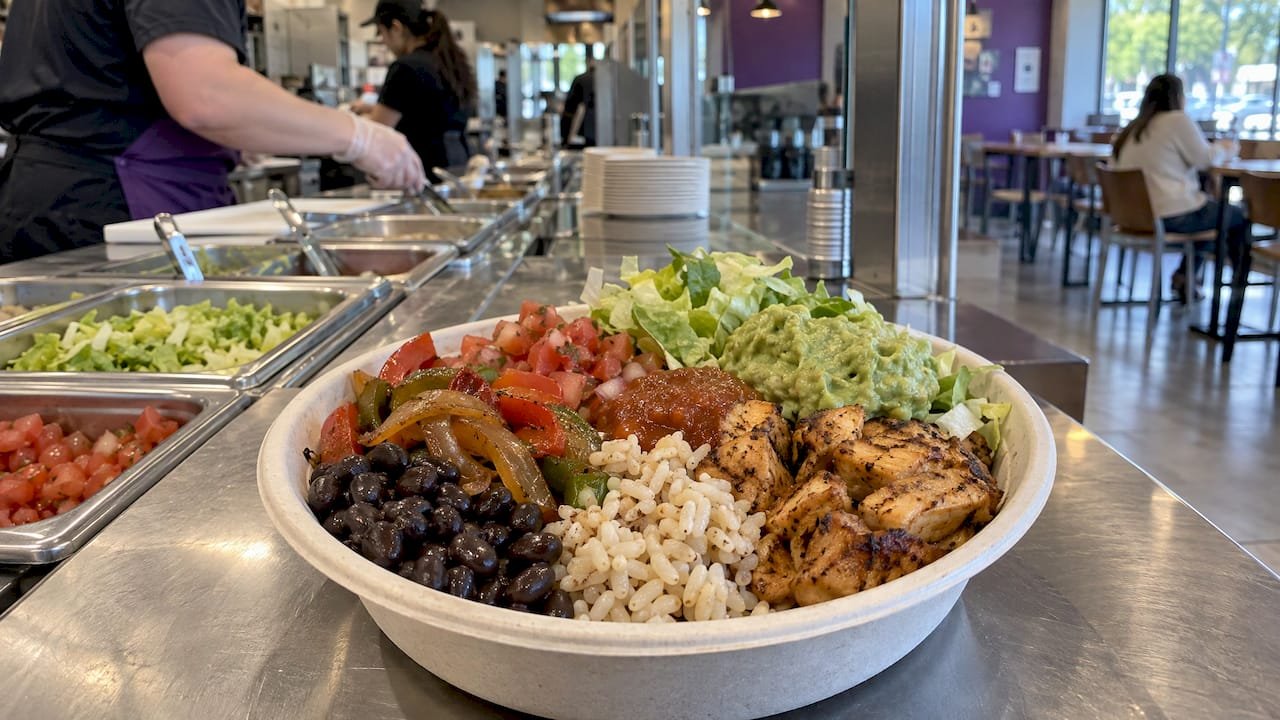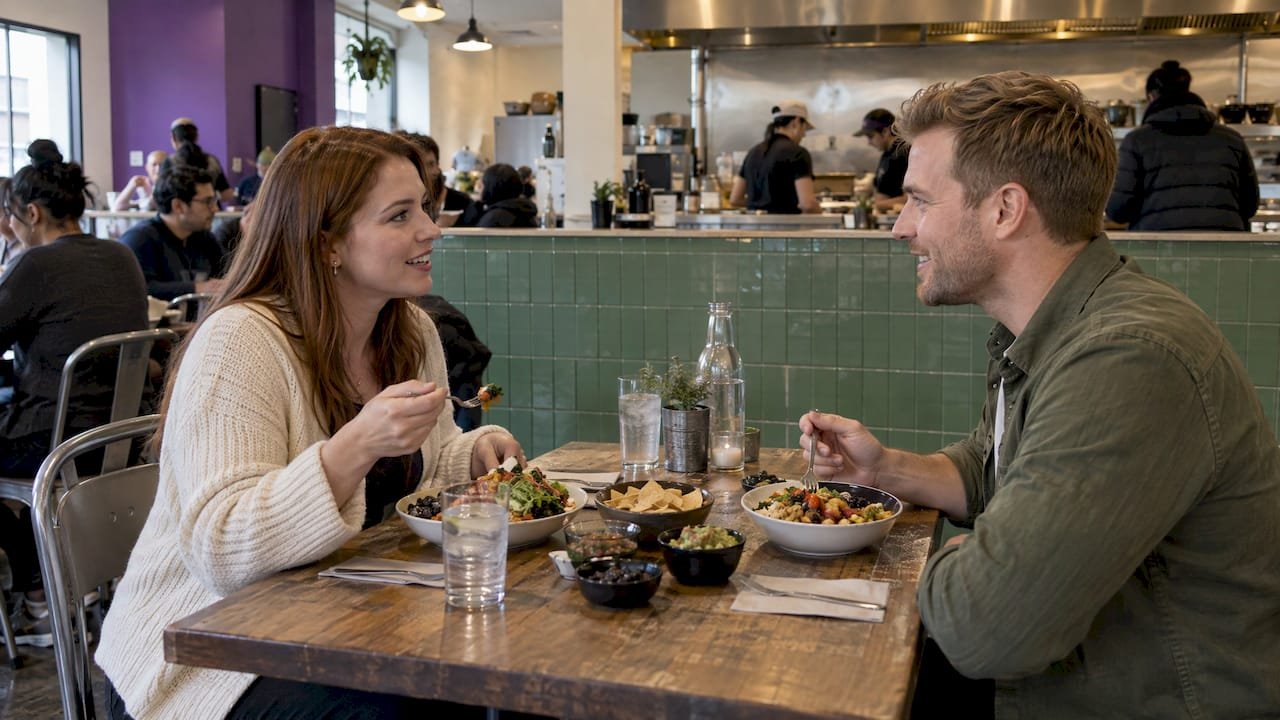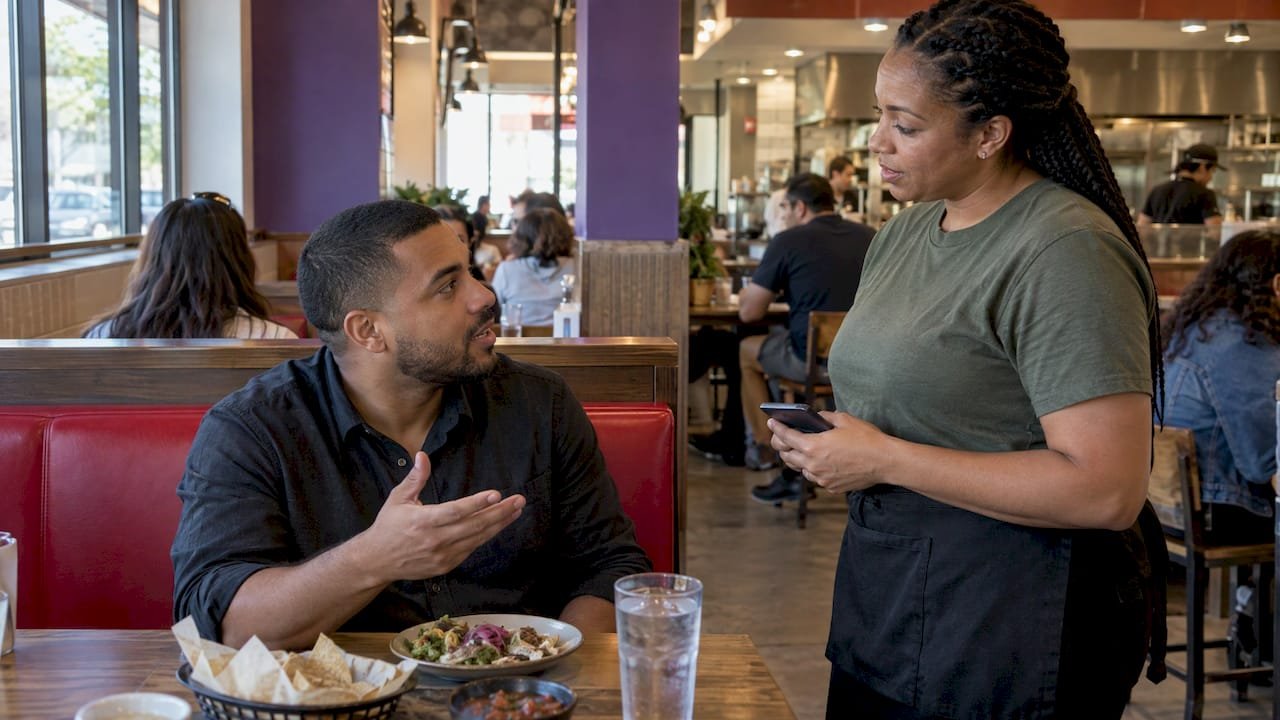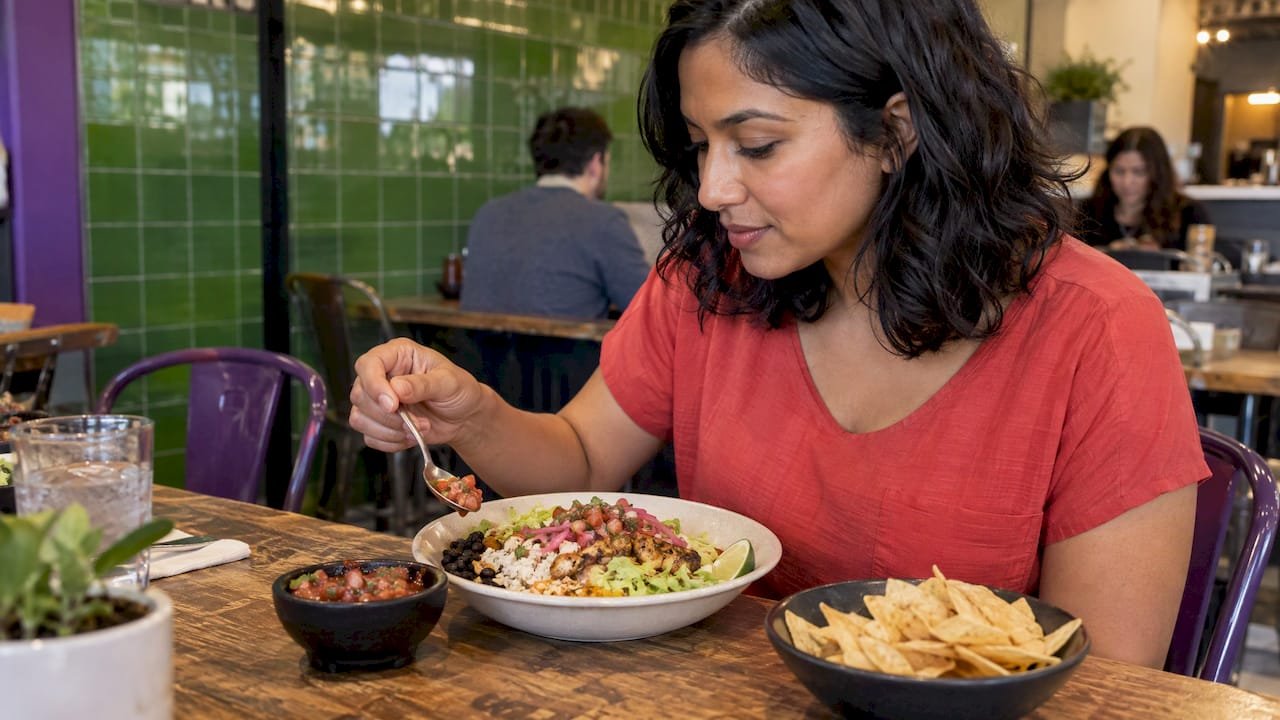
The easiest high-fibre Mexican order is a build-your-own bowl or burrito with beans, plenty of vegetables and a salad or veggie side in place of anything fried. Fibre comes from plants, so every layer you add (beans, vegetables, whole grains, salsa) raises the total. At Burrito Splendido you can build that meal at the counter, in a kitchen that makes its food from scratch daily and has no deep fryer.
TL;DR
- Beans are the biggest fibre source on a Mexican menu. Black and pinto beans are packed with dietary fibre, so ask for them in generous scoops.
- Pile on vegetables, salsa and salad greens. Swap fried sides and fried shells for vegetables or a salad.
- Choose a bowl, a salad or tacos when you want to control the portion. A burrito works too, as long as the filling is mostly beans and vegetables.
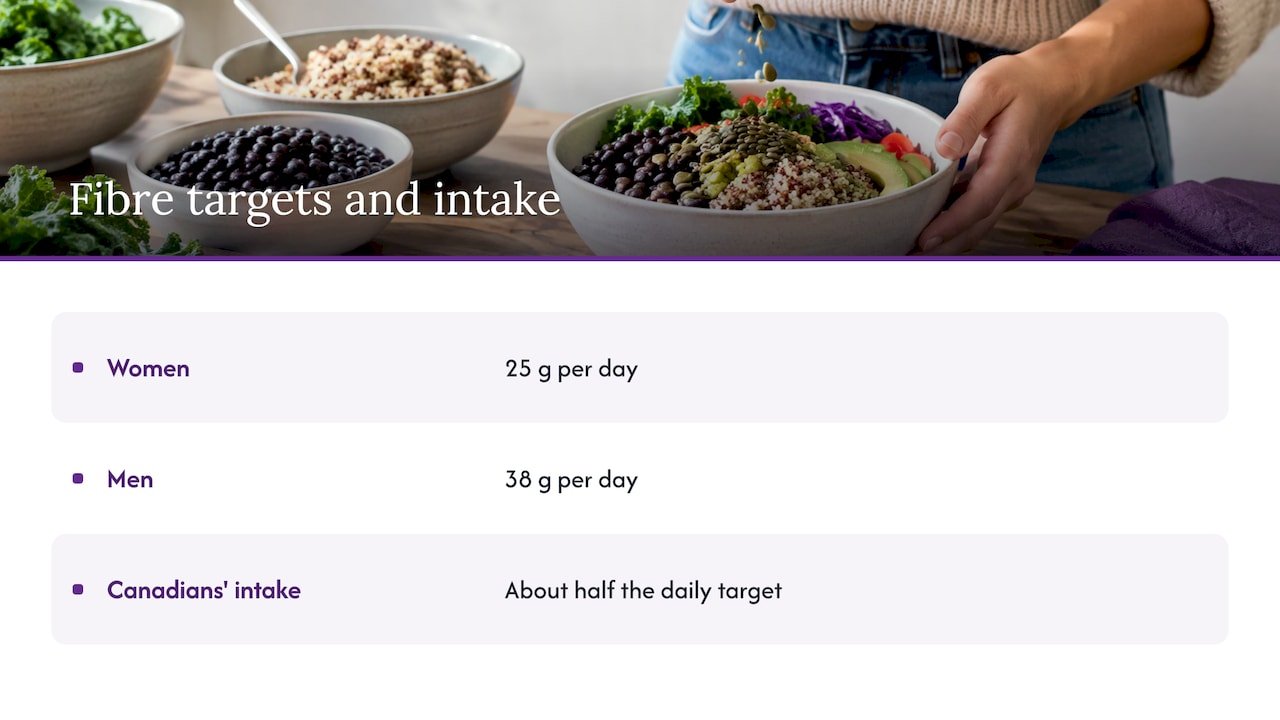
- Canadian women need 25 g of fibre a day and men 38 g, and most of us get about half that.
- If you are new to a high-fibre diet, add fibre gradually and drink plenty of fluid.
Table of Contents
- Why the fibre target is worth planning for
- The fibre layers of a Mexican meal
- Which format fits a high-fibre order
- Three sample high-fibre orders
- Ordering à la carte and keeping portions in check
- Building up fibre: what to know
- A quick checklist for any Mexican menu
- What we think about fibre at the counter
- Build your high-fibre order with us
- FAQ
- Sources
Why the fibre target is worth planning for
Health Canada says women need 25 grams of fibre a day and men need 38 grams. It also says most Canadians get only about half of that. The same page notes that fibre supports bowel regularity, helps lower blood cholesterol and helps you feel full longer. It points shoppers to beans, peas and lentils, brown rice, whole grains, vegetables and fruit.
Mexican food is a good fit for that advice. Its base ingredients are beans, corn, chilies, tomatoes, onions, peppers and herbs. The Tufts Health & Nutrition Letter notes that beans are fibre-rich, and that Mexican dishes often include vegetables and whole grains such as corn tortillas, whole-wheat tortillas and brown rice.
The fibre doesn’t come automatically, though. A plate of chips, cheese and a deep-fried shell has the same cuisine on the menu and very little fibre. What decides the fibre total is what you choose at each step of the order.
The fibre layers of a Mexican meal
Think of the order as layers. Each layer is a chance to add plant food.
Beans: the first thing to ask for
Beans are the core of a high-fibre order. Black beans and pinto beans both count. One of the dietitian-written restaurant guides that rank for this search calls black beans a solid choice because they add fibre and protein, and says refried beans can work too, as long as they aren’t loaded with melted cheese.
The Tufts letter adds a detail worth knowing about refried beans: they can be nutritious if they are made without lard. Look for versions made with soybean or canola oil. If a menu doesn’t say, ask how they are made.
Beans also help if you are after protein. They add some on their own, which matters when your main protein is a smaller portion.
Grains and tortillas
Brown rice is the usual higher-fibre choice over white rice, and the Tufts letter lists it with corn tortillas and whole-wheat tortillas as common whole-grain options. If you are eating a bowl, the rice is optional. You can use a larger scoop of beans and vegetables and a smaller scoop of rice.
Tortillas matter less for fibre than the filling does. What does matter is how the tortilla is made. Ours are pressed in-house with 100% Manitoba-produced flour, and you can read more about what makes house-pressed tortillas unique. If a wrap is your preference, load it with filling so the beans and vegetables are the bulk of what you eat.
Vegetables, salsa and toppings
This is where an order goes from fine to high-fibre. Fajita-style peppers and onions, tomatoes, lettuce, cilantro, corn salsa and salsa verde all add a little fibre, and together they add a lot. The Verywell Fit ordering guide suggests adding tomatoes, onions or black beans to a salad, and that is a good rule for any format: if there is a vegetable option, say yes.
Guacamole is another good addition. A registered dietitian’s restaurant order, published by a major health site, suggests ordering guacamole without the chips, and topping soup with avocado slices for healthy fats and fibre.
Sides: swap, don’t just skip
A side of fried chips adds calories without much fibre. The same Verywell Fit guide says it’s worth asking your server whether sides can be swapped for a salad or marinated vegetables, as some restaurants will do this. That is a good question at any counter. At ours, your sides and toppings come from a menu with salads, soup and vegetable-forward options, so you can build the plate around plants.
Which format fits a high-fibre order
The table below compares the main formats on how easily you can raise the fibre.
| Format | Easiest fibre boosts | Watch for |
|---|---|---|
| Burrito bowl | Double beans, extra vegetables, brown rice if offered, salsa | Large scoops of rice and cheese crowd out the beans |
| Burrito | Fill with beans and fajita vegetables, add lettuce and tomato | A thick filling of rice and cheese with few vegetables |
| Salad | Add black beans, tomatoes, onions, avocado | Fried shell or heavy creamy dressing |
| Street tacos | Beans and vegetables as toppings, add salsa verde | Small tortillas, so order more than one |
| Quesadilla | Add vegetables and beans in the filling | Mostly cheese and tortilla, so it needs help from a side salad |
If you want a closer look at how bowls and burritos compare, our guide to burrito bowl vs burrito covers calories and macros. For street tacos, see the guide to street tacos, which explains how the fillings and toppings are layered.
The taco salad trap
A taco salad sounds like the healthy choice, but the shell is often a deep-fried tortilla bowl. Verywell Fit’s advice is to skip the fried bowl and ask for the salad on a plate. Our kitchen has no deep fryer, so the question doesn’t come up with us. If you want ideas for making a salad more filling, this piece on balanced meal salads covers how to keep a salad satisfying.
Three sample high-fibre orders
These are templates, not nutrition claims. Ask at the counter what is available that day, since fillings and options can vary by location and season.
1. The bean-forward bowl
Start with a bowl. Ask for a double scoop of beans, a smaller scoop of rice, then add fajita vegetables, tomato, lettuce, salsa and a spoonful of guacamole. Choose a slow-cooked protein such as Adobo Chicken, which we cook and hand-pull in-house. Skip the chips.
2. The vegetable-loaded burrito
Order a burrito and ask for beans and vegetables as the base, with your protein on top rather than the other way round. Add salsa and lettuce. Pair it with a side salad rather than a fried side.
3. The street-taco plate
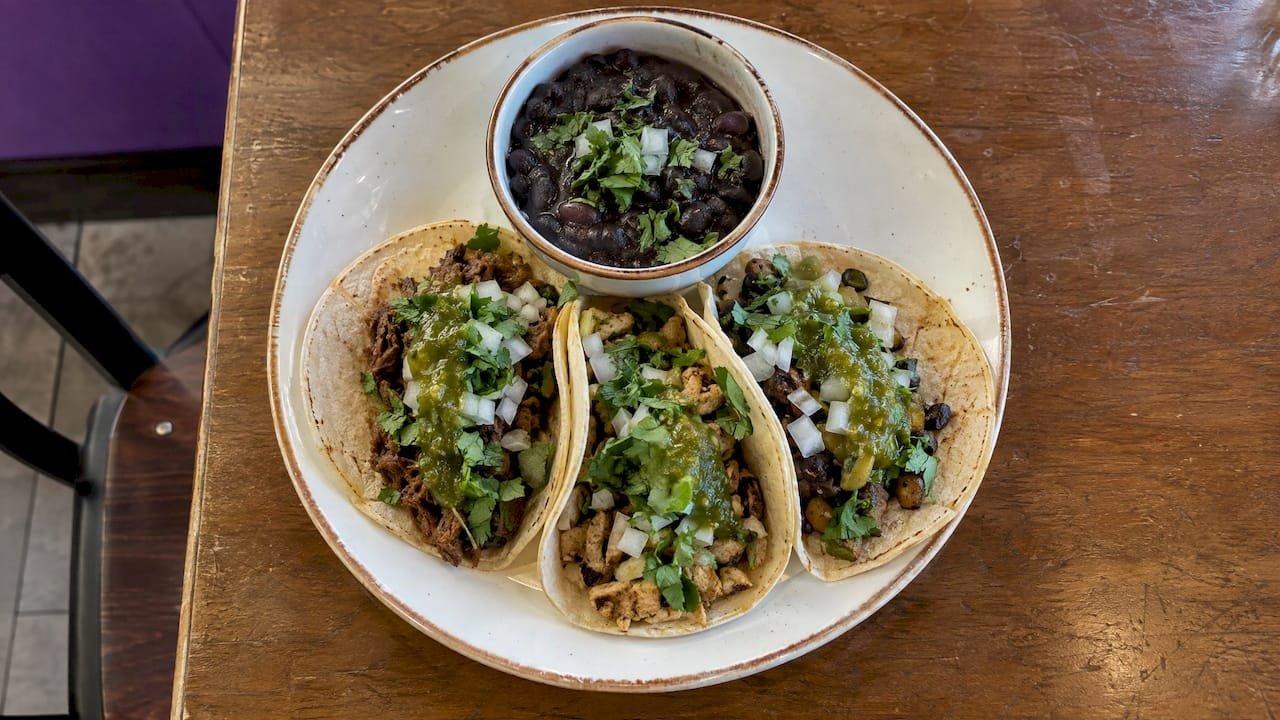
Order three street tacos with different fillings, and top each with onion, cilantro and salsa verde. Add a bean side or a salad. If you eat vegan or vegetarian, a bean-and-vegetable taco plate is an easy way to hit the same goal. Our menu has vegan and vegetarian options, as well as gluten-free, keto and paleo choices.
Ordering à la carte and keeping portions in check
High-fibre doesn’t mean large. The dietitians behind Diabetes Québec’s restaurant guide recommend ordering à la carte to keep better control of your meal, because combo and table d’hôte offers may encourage you to eat beyond your appetite. That works well with a build-your-own format. You pick each component, so you decide how much of it you get.
If you manage blood sugar, our page on a diabetic-friendly Mexican order goes through what to pick and skip. If you also watch salt, see the low-sodium ordering guide. For a broader set of quick swaps and sample orders, there is a page on the healthy Mexican order.
Building up fibre: what to know
A big jump in fibre can upset your stomach. HealthLink BC advises adding fibre-rich foods gradually over a few weeks, since a sudden increase can cause bloating and gas. A bowl of beans is a lot of fibre in one sitting if you usually eat little, so start with one scoop and build from there.
Fluid matters just as much. A Canadian dietitian-written bowel management guide from St. Joseph’s Health Care London explains that fibre holds fluid in the stool, and suggests increasing fibre gradually over two weeks and drinking at least 2.5 litres of fluid a day. The same guide states that adequate fibre and fluid are essential for bowel health and for managing constipation.
If constipation is persistent, or you have a digestive condition, talk to your doctor or a registered dietitian before changing your diet. If you are managing a medical condition, they can tell you how much fibre is right for you.
A quick checklist for any Mexican menu
Use this when you are ordering anywhere, including with us.
- Beans first. Black or pinto, in generous portions.
- Vegetables second. Peppers, onions, tomato, lettuce, salsa.
- Whole grains if available. Brown rice or a smaller portion of white.
- Swap fried for fresh. Salad or marinated vegetables instead of fried sides.
- Ask about the beans. Whether refried beans are made with lard or vegetable oil.
- Order à la carte. You decide the portions.
- Go gradually. If you are not used to fibre, build up over weeks and drink water.
What we think about fibre at the counter
Most people who ask us about fibre are not looking for a special dish. They want to know how to make the plate they already like work harder for them. That is the advantage of a build-your-own counter: the beans, the vegetables and the salsa are choices you make, one by one.
We cook from scratch every day, with a Manitoba-first approach to ingredients, and we run a kitchen with no deep fryer. For a fibre-focused order, that means there is no fried shell to avoid and no fried side to talk yourself out of. Slow-cooked proteins like carnitas, barbacoa and adobo chicken are hand-pulled in-house, and they sit well on top of a base of beans and vegetables.
Our team is trained to handle specific dietary needs, including gluten-free, vegan, keto and paleo requests. If you tell us what you are aiming for, we can help you build it.
Austin
Build your high-fibre order with us
Our menu has burritos, salads, tacos, quesadillas, soup, sides and more, all made from scratch daily with Manitoba flour, local meats and cheese. You can dine in, order takeout or order online, and bring your own plan for the beans and vegetables. See the full Burrito Splendido menu to plan your order.
If you are organizing a team lunch or an event, our catering options include Burrito Express at $1,050 to $1,150, Burrito Express Deluxe at $1,550, and the Bueno Burrito Bar at $1,699. Delivery and set-up is $20, catering staff are $15 per hour per staff member, and gratuity is 10%. A burrito bar lets each guest add their own beans and vegetables.
FAQ
What is the best high-fibre thing to order at a Mexican restaurant?
A bowl or burrito built around black or pinto beans, with extra vegetables and salsa, is the easiest high-fibre choice. Beans are the main fibre source in Mexican food. Add a salad or vegetable side instead of a fried one.
Are refried beans high in fibre?
Yes, they are made from beans, so they carry the same fibre. The Tufts letter says they can be nutritious when they are made without lard, using a vegetable oil such as soybean or canola. Ask how they are prepared, and skip versions topped with a lot of melted cheese.
Can a high-fibre Mexican meal help with constipation?
Fibre adds bulk to stool and helps it hold fluid, so a diet with enough fibre and fluid supports regularity. Increase fibre over a couple of weeks and drink plenty of fluids. If constipation continues, see your doctor.
How much fibre should I eat in a day in Canada?
Health Canada says women need 25 grams of fibre a day and men need 38 grams. Most Canadians get about half of that. Beans, vegetables and whole grains in your meals are the practical way to close the gap.
Sources
- Fibre, Health Canada (Canada.ca)
- Delicious, Nutritious Mexican Food, Tufts Health & Nutrition Letter
- How to Order The Healthiest Mexican Food, Verywell Fit
- Restaurant guide 2018, Diabetes Québec
- Managing constipation with diet: Adults, HealthLink BC
- Diet and Bowel Management, St. Joseph’s Health Care London