House-pressed tortillas are defined by their fresh, preservative-free composition and carefully controlled preparation that produces a flavour and texture no mass-produced product can match. What makes house-pressed tortillas unique comes down to three factors: simple ingredients, traditional technique, and the absence of the synthetic additives that extend commercial shelf life at the cost of taste. Whether you are making them at home or eating them at a restaurant like Burritosplendido, which uses 100% Manitoba-produced flour in every tortilla, the difference is immediate and unmistakable. This guide explains exactly why that difference exists and how to replicate it yourself.
What ingredients and processes differentiate house-pressed tortillas from store-bought?
Fresh tortillas use three ingredients: masa or flour, water, and salt. That simplicity is the point. Commercial tortillas contain preservatives and emulsifiers that extend shelf life but alter the flavour and texture of the finished product. A house-pressed tortilla contains none of those additives, which means every bite reflects the grain itself rather than a stabiliser.
The foundation of a great corn tortilla is nixtamalization. This ancient process soaks and cooks dried corn in lime water, then grinds the result into masa. Nixtamalization enhances corn tortillas’ flavour, nutritional value, and digestibility in ways that plain ground corn cannot replicate. The earthy, complex aroma you notice in a fresh corn tortilla comes directly from this process.
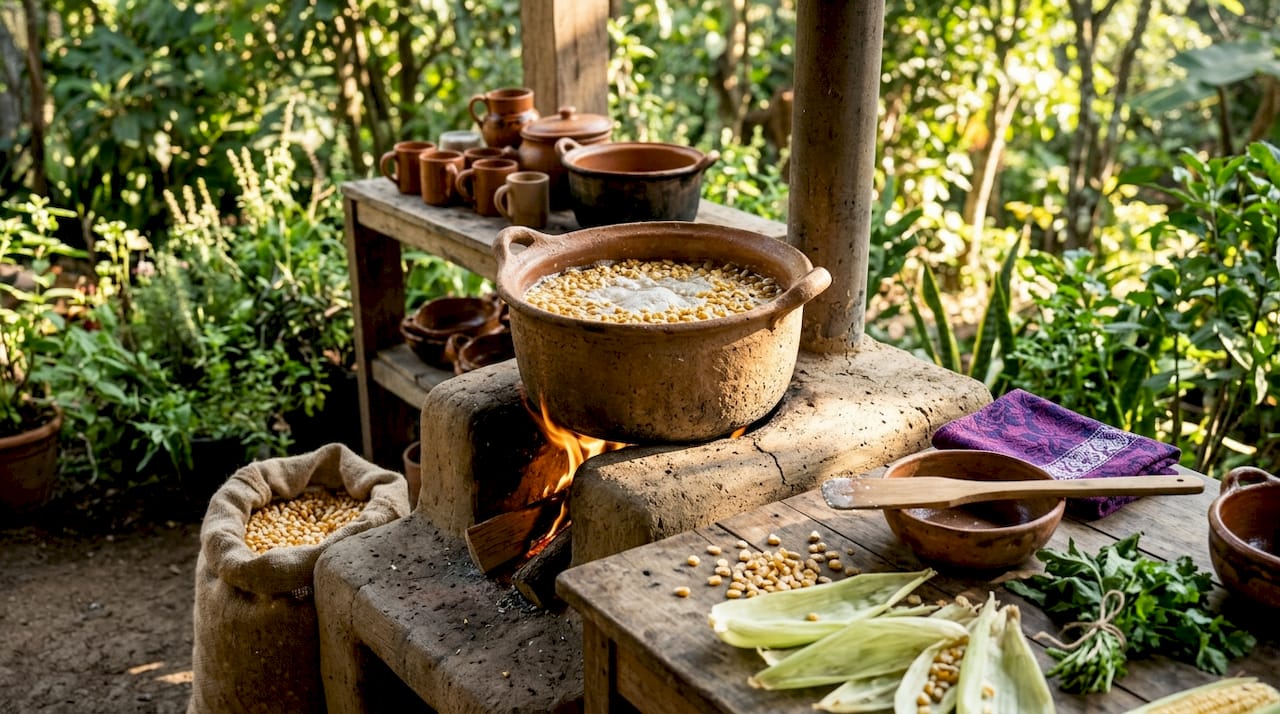
Masa harina, the dried and powdered form of nixtamalised corn, brings that same depth to home kitchens. Quality masa harina that respects traditional nixtamalization is critical to replicating authentic street-style corn tortillas at home. Brands that skip or abbreviate this step produce a noticeably flatter, starchier flavour.
The freshness factor also affects aroma in a way that is easy to underestimate. A tortilla pressed and cooked within minutes carries a warm, toasted grain scent that disappears within hours. That aroma is part of the eating experience, and it is something no sealed plastic bag can preserve. Understanding the science of tortilla freshness helps explain why timing matters so much in professional kitchens.
Key differences at a glance:
- No preservatives: Fresh tortillas use only masa or flour, water, and salt.
- Nixtamalization: Traditional corn processing adds flavour, nutrition, and digestibility.
- Aroma: Fresh tortillas carry a toasted grain scent that fades quickly after cooking.
- Texture: Without emulsifiers, the crumb stays open and pliable rather than dense and rubbery.
How does the pressing technique shape texture and cooking quality?
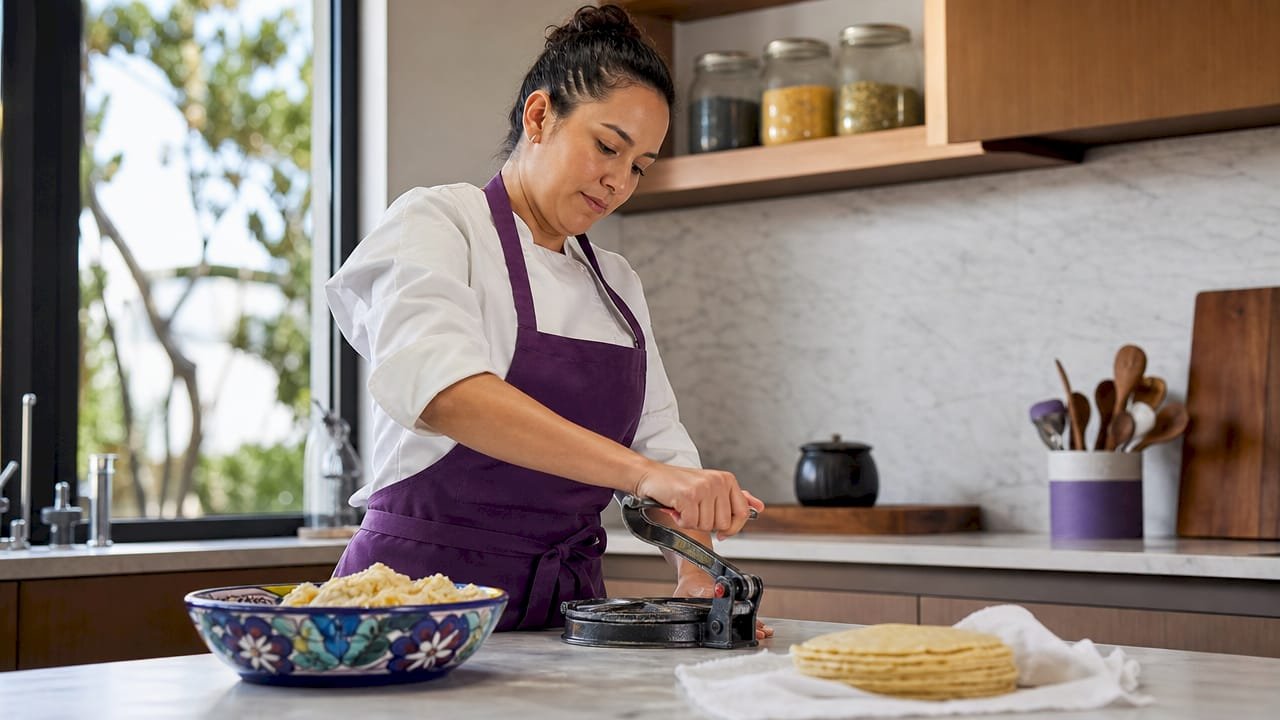
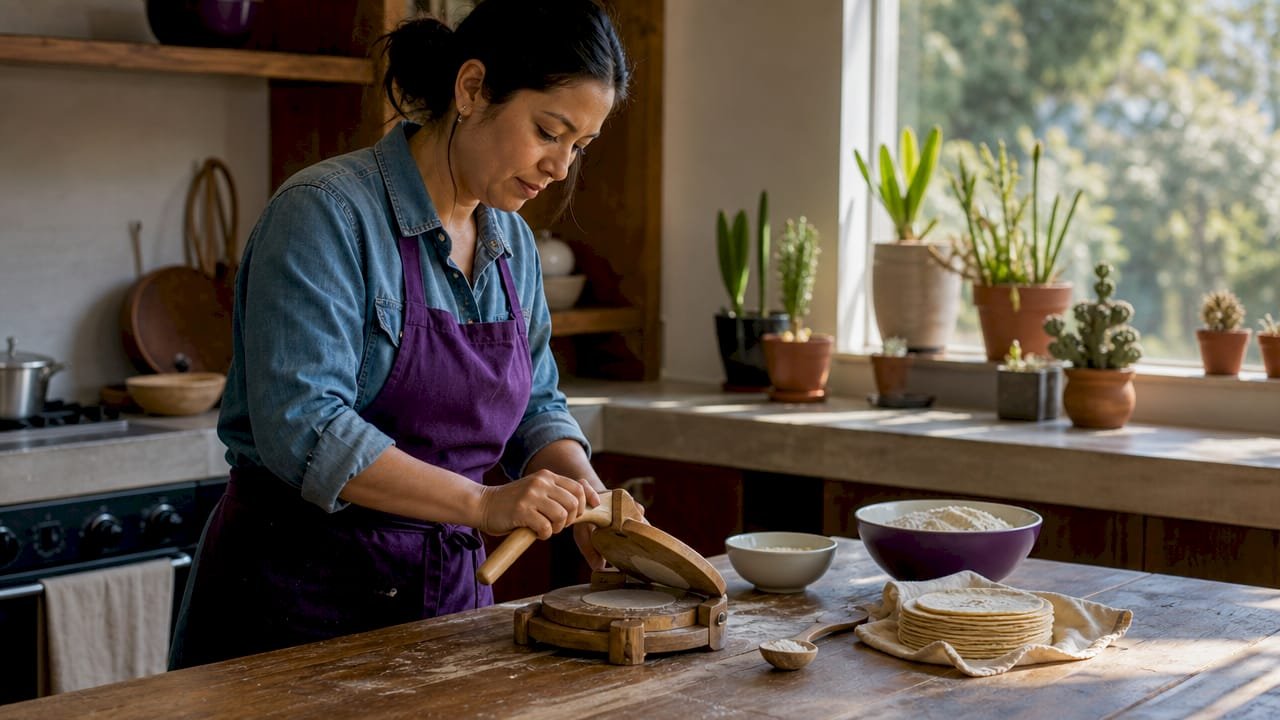
The tortilla press is the tool that makes uniform thickness achievable without years of practice. A tortilla press is available for as little as $10, ranging from wood to cast iron, and each type balances ease of cleaning, leverage, and durability differently. Cast iron presses apply more even pressure and last decades; wood presses are lighter and easier to store.
Corn tortillas require a press. Flour tortillas do not. Flour dough springs back when pressed directly because gluten resists compression, so rolling pins stretch the dough gently instead. Pressing flour dough causes it to become chewy and dense rather than light and pillowy. Knowing which tool suits which dough is the first practical decision every home cook needs to make.
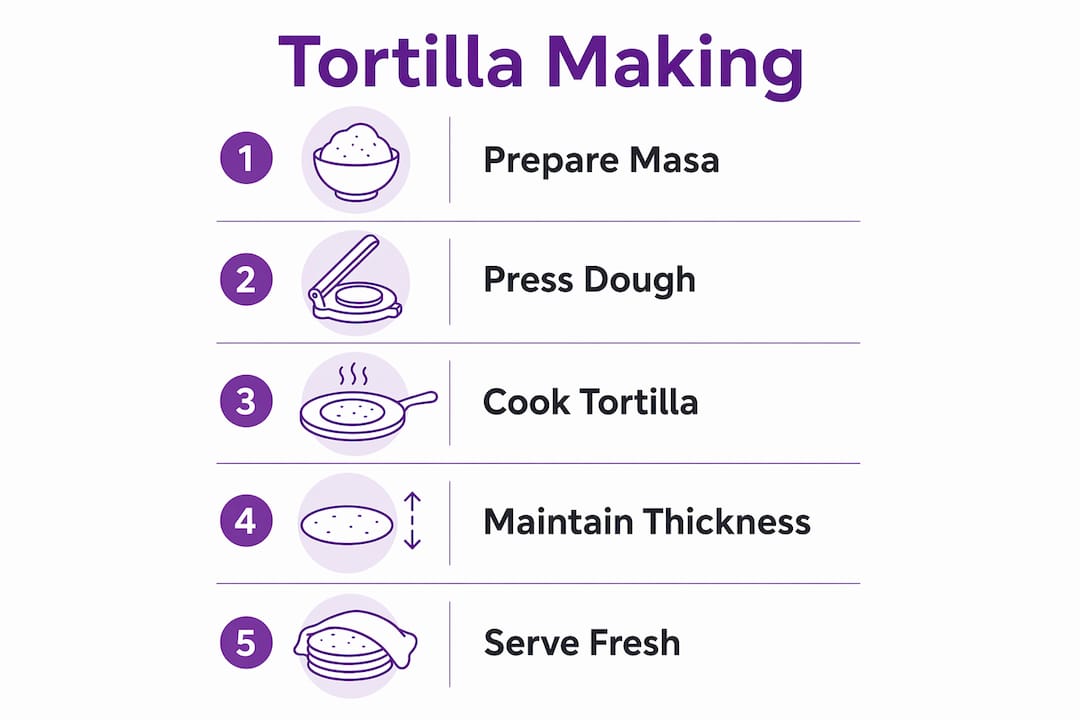
For corn tortillas, thickness controls everything. Uniform thickness of approximately 1.5–2mm allows even cooking, prevents brittleness, and enables steam to puff the tortilla in 30–60 seconds per side. That puff is the visual signal that the tortilla is cooked correctly. It means steam has built up between the layers, which creates the soft, flexible interior that holds fillings without cracking.
| Tortilla type | Shaping tool | Target thickness | Cooking time per side |
|---|---|---|---|
| Corn (masa) | Tortilla press | 1.5–2mm | 30–60 seconds |
| Flour | Rolling pin | 2–3mm | 45–60 seconds |
Pro Tip: Place the masa ball between two squares of plastic cut from a zip-lock bag before pressing. The plastic prevents sticking without adding flour, which would toughen the dough.
The cooking surface matters as much as the press. A dry cast iron comal or heavy skillet at medium-high heat gives the tortilla the contact it needs to cook quickly and develop light char spots. Those char spots are not a flaw. They are flavour.
What culinary advantages do house-pressed tortillas offer in real dishes?
Fresh tortillas hold together under pressure that would destroy a commercial product. Freshly pressed tortillas remain pliable and strong, which is critical for dishes like birria or carnitas where the filling is moist and heavy. A mass-produced tortilla engineered for shelf life rather than flexibility will split at the first fold. A fresh one bends cleanly and holds its shape through the entire meal.
The structural advantage extends to burritos. Burritosplendido wraps its burritos in house-pressed flour tortillas made from 100% Manitoba-produced flour precisely because a fresh tortilla can contain a full burrito’s worth of filling without tearing. The role of tortillas in Mexican cuisine is not decorative. The tortilla is a structural component, and its quality determines whether the dish succeeds or falls apart.
Visual appeal is another genuine advantage. A fresh tortilla shows natural char marks, a slight puff, and an uneven surface that signals handmade preparation. That visual texture communicates care and authenticity before the first bite. A perfectly flat, pale, uniform commercial tortilla communicates the opposite.
Warmth retention is the final practical benefit. A fresh tortilla holds heat longer than a commercial one because its open crumb structure traps warmth. For street tacos served immediately after pressing, this means the tortilla stays soft and warm through the entire eating experience rather than cooling and stiffening within seconds.
Benefits that matter most in real dishes:
- Pliability: Fresh tortillas fold without cracking, even under heavy, moist fillings.
- Structural strength: They hold burritos, tacos, and quesadillas together through the meal.
- Visual character: Natural char and puff signal authentic, handmade preparation.
- Heat retention: Open crumb structure keeps tortillas warm longer after cooking.
- Flavour transfer: Fresh tortillas absorb and complement filling flavours rather than competing with them.
What are the best practices for making house-pressed tortillas at home?
Dough hydration is the single most common failure point for home cooks. The dough should feel like soft Play-Doh. Too dry and it cracks at the edges when pressed. Too wet and it sticks to the press and tears when you try to peel it off. Add water to masa harina one tablespoon at a time and test the texture before pressing.
Follow these steps for consistent results:
- Mix and hydrate. Combine masa harina, warm water, and a pinch of salt. Mix until the dough holds together without cracking or sticking. Rest for five minutes to allow full hydration.
- Portion evenly. Roll the dough into balls roughly the size of a golf ball. Consistent size produces consistent thickness after pressing.
- Press between plastic. Place the ball between two pieces of plastic and press firmly. Peel back the plastic slowly from one edge to avoid tearing.
- Cook on high heat. Place the tortilla on a dry, preheated comal or cast iron pan. Cook for 30–60 seconds per side. Flip a second time and watch for the puff.
- Stack and cover immediately. Place cooked tortillas in a cloth-lined container and cover. The trapped steam keeps them soft and pliable.
Pro Tip: If your tortillas are not puffing, your pan is not hot enough. A drop of water should evaporate instantly on contact. If it sizzles and sits, add another minute of preheating.
Flour tortillas follow a different logic. Flour dough requires a resting period of at least 15–20 minutes after mixing to relax the gluten. Skipping this step causes the dough to shrink back when rolled, producing thick, chewy tortillas instead of thin, tender ones. After resting, roll each ball outward from the centre with a rolling pin, rotating the dough a quarter turn between each pass.
Fresh tortillas must be consumed shortly after cooking to preserve softness. Without preservatives, they dry and harden quickly. A cloth-lined insulated warmer solves this problem for home entertaining and keeps tortillas pliable for up to an hour. For a full walkthrough of the process, the step-by-step tortilla guide from Burritosplendido covers every stage from mixing to serving.
Key takeaways
House-pressed tortillas are superior to commercial alternatives because fresh ingredients, traditional nixtamalization, and precise pressing technique combine to produce flavour, texture, and structural integrity that no shelf-stable product can replicate.
| Point | Details |
|---|---|
| No additives | Fresh tortillas use only masa or flour, water, and salt, with no preservatives or emulsifiers. |
| Nixtamalization matters | This traditional corn process adds earthy flavour, improved nutrition, and better digestibility. |
| Thickness is critical | A uniform 1.5–2mm thickness produces the steam puff and pliability that define a great corn tortilla. |
| Tool choice depends on dough | Use a press for corn masa and a rolling pin for flour dough to get the right texture from each. |
| Freshness is time-sensitive | Without preservatives, fresh tortillas harden quickly; serve immediately or store in a cloth-lined warmer. |
Why I think the tortilla is the most underrated skill in Mexican cooking
Most food lovers obsess over the filling. The protein, the salsa, the garnish. The tortilla is treated as a given, something you buy in a bag and warm up. That thinking is the reason so many home-cooked tacos disappoint despite excellent fillings.
The first time I pressed a corn tortilla and watched it puff on the comal, I understood what I had been missing. That puff is not cosmetic. It tells you the moisture is right, the heat is right, and the thickness is right. When all three align, the tortilla has a softness and a faint toasted flavour that changes the entire dish. A filling that tasted fine in a commercial tortilla suddenly tastes genuinely good.
The technique is also more forgiving than it looks. The Play-Doh test for masa hydration takes about 30 seconds to learn. A $10 press and a cast iron pan are the only equipment you need. The barrier is not skill or equipment. It is the assumption that fresh tortillas are complicated. They are not. They are just uncommonly prioritised.
My honest recommendation: press tortillas once at home before you decide whether it is worth the effort. The gap between fresh and commercial is wide enough that most people who try it do not go back.
— Austin
Burritosplendido’s fresh tortillas, ready when you are
Burritosplendido has pressed tortillas fresh every day since opening in Winnipeg in november 2012. Every flour tortilla uses 100% Manitoba-produced flour, and every corn taco option comes from La Cocina, a trusted local supplier. The kitchen operates on a from-scratch model, which means nothing sits in a bag waiting to be reheated.

For events, office lunches, or any occasion where you want fresh Mexican food without the prep work, Burritosplendido’s catering service brings the same house-pressed quality to your location. Customisable menus cover burritos, taco spreads, burrito bowls, and quesadillas, all built on the same fresh-pressed foundation. If you want to experience what a properly made tortilla tastes like before committing to a full event order, visit any Burritosplendido location across Winnipeg or Brandon and order a street taco. The tortilla will make the case for itself.
FAQ
What are house-pressed tortillas?
House-pressed tortillas are tortillas made fresh on-site using simple ingredients, a tortilla press, and no preservatives or synthetic additives. They differ from commercial tortillas in flavour, texture, and structural integrity.
Why do fresh tortillas puff when cooking?
The steam puff occurs when uniform thickness of 1.5–2mm and correct moisture allow steam to build between layers on a high-heat surface. It signals even cooking and produces the soft, flexible interior that holds fillings well.
Can you use a tortilla press for flour tortillas?
Flour tortillas should be shaped with a rolling pin, not a press. Flour dough springs back when pressed directly because gluten resists compression, resulting in a chewy, dense texture rather than a light, pliable one.
How long do fresh tortillas stay soft?
Fresh tortillas begin to harden within an hour of cooking because they contain no preservatives. Storing them in a cloth-lined insulated warmer slows this process and keeps them pliable for serving at home or events.
What is nixtamalization and why does it matter?
Nixtamalization is the process of soaking and cooking corn in lime water before grinding it into masa. It improves the corn’s flavour, nutritional value, and digestibility, and it is the reason authentic corn tortillas taste distinctly different from plain ground-corn products.