Fast-casual dining is a restaurant concept that delivers fresh, made-to-order meals through counter service, using quality ingredients at a moderate price point. It sits between fast food and full-service casual dining, offering more than a drive-through but less formality than a sit-down restaurant. Technomic, the food industry research firm, defines the category by five criteria: limited or self-service, a price range of $8–$15 per person, made-to-order food with complex flavours, upscale décor, and no drive-through. That combination has made fast-casual one of the most consistent growth segments in North American food service over the past decade. For Canadian diners weighing their options, understanding what separates this format from the alternatives makes choosing easier.
What are the main characteristics of fast-casual dining?
Fast-casual restaurants share a consistent set of features that set them apart from both fast food and full-service dining. Knowing these features helps you recognise the format the moment you walk in.
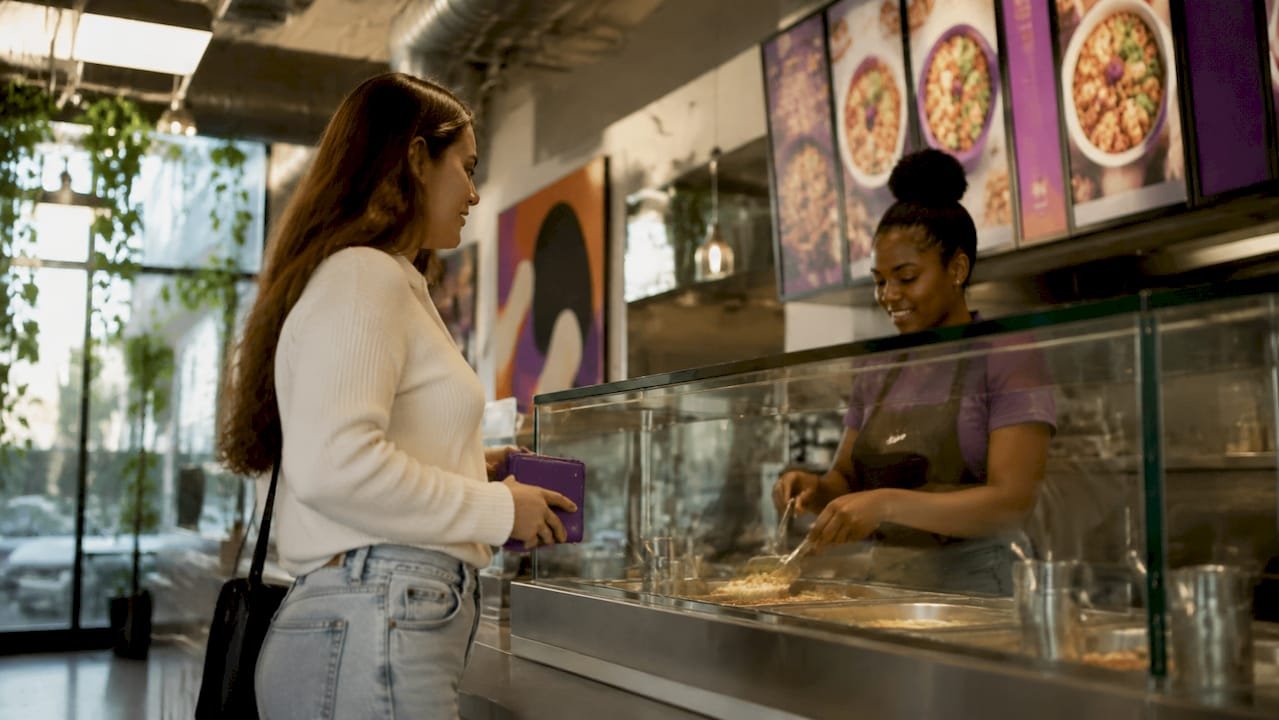
- Counter or limited service. You order at a counter, pick up your meal, and manage your own drink refills. Most fast-casual restaurants have no waitstaff, and tipping is not expected.
- Made-to-order food. Meals are assembled after you order, not pre-made and held under a heat lamp. Ingredients are typically prepared fresh each day.
- Moderate pricing. Average check sizes run from $10 to $18 per person, placing the format above fast food but well below casual dining.
- Contemporary atmosphere. Seating is comfortable, materials are modern, and the space is designed to encourage a relaxed stay rather than a rushed exit.
- Visible kitchens. Many fast-casual spots use open or partially open kitchens where food is assembled in plain view. Visible kitchen concepts increase consumer trust by showing exactly what goes into each meal.
Pro Tip: If you want to control your bill, decide on proteins and toppings before you reach the counter. Premium add-ons can push a $12 base meal noticeably higher.
The atmosphere in a fast-casual space is intentional, not accidental. Operators use modern materials, better lighting, and thoughtful layouts to create an environment where diners feel comfortable staying 20 to 30 minutes. That design choice reflects a deliberate effort to attract diners who want more than a paper bag and a parking lot.
How does fast casual compare to fast food and casual dining?
The three formats differ across price, service, food quality, and time. The table below maps the key differences clearly.
| Feature | Fast food | Fast casual | Casual dining |
|---|---|---|---|
| Average check per person | Under $10 | $10–$18 | $25–$50 |
| Service model | Counter or drive-through | Counter, self-clear | Full table service |
| Food preparation | Pre-made or held | Made to order | Cooked to order |
| Typical dining duration | Under 20 minutes | 20–45 minutes | 45–60 minutes |
| Tipping expected | No | No | Yes |
| Atmosphere | Functional | Modern, comfortable | Traditional restaurant |
| Ingredient sourcing | Standardised, centralised | Fresh, often local | Varies widely |
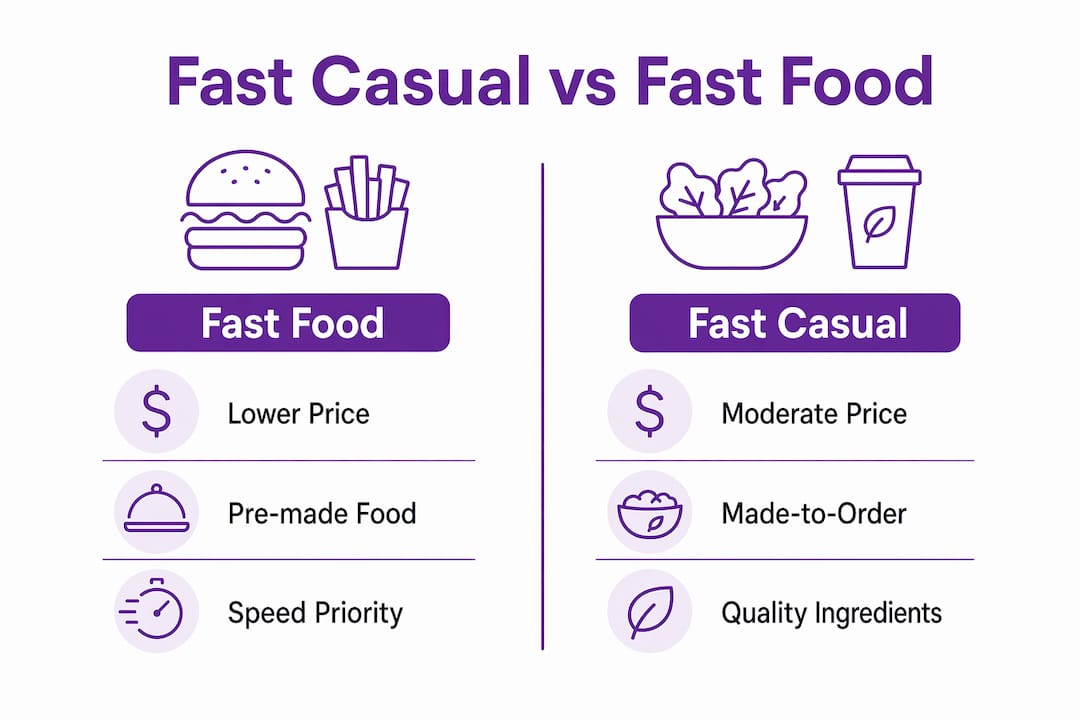
Dining duration in fast casual runs 20–45 minutes, compared to 45–60 minutes for casual dining. That difference matters for diners on a lunch break or with young children.
The sharpest contrast is between fast casual and fast food. Fast food prioritises speed and low cost above everything else. Fast casual prioritises ingredients and customisation, appealing to diners who want transparency about what they are eating. Brand strategist Alfred Goldberg has noted this distinction directly: fast food competes on price and convenience, while fast casual competes on quality and experience.
Casual dining sits at the other end. Full table service, a longer meal, and a higher bill define the format. Fast casual borrows the quality expectations of casual dining and pairs them with the speed of fast food. The result is a format that fits modern schedules without asking diners to compromise on ingredients.
What benefits does fast-casual dining offer?
Fast-casual dining delivers advantages for both diners and the operators who run these restaurants. The benefits are practical and grounded in how the format actually works.
For diners:
- Fresher food. Ingredients are prepared daily and assembled to order. You are not eating something that sat in a warming tray for an hour.
- Customisation. Build-your-own formats let you control proteins, toppings, and portions. This matters for diners managing dietary restrictions or specific health goals. A customisable menu gives you real control over what ends up in your meal.
- Speed without sacrifice. You get a quality meal in under 30 minutes without booking a table or waiting for a server.
- Relaxed environment. The atmosphere is more comfortable than fast food without the formality of a sit-down restaurant. Fast-casual design uses modern materials and curated spaces to encourage longer, more comfortable stays.
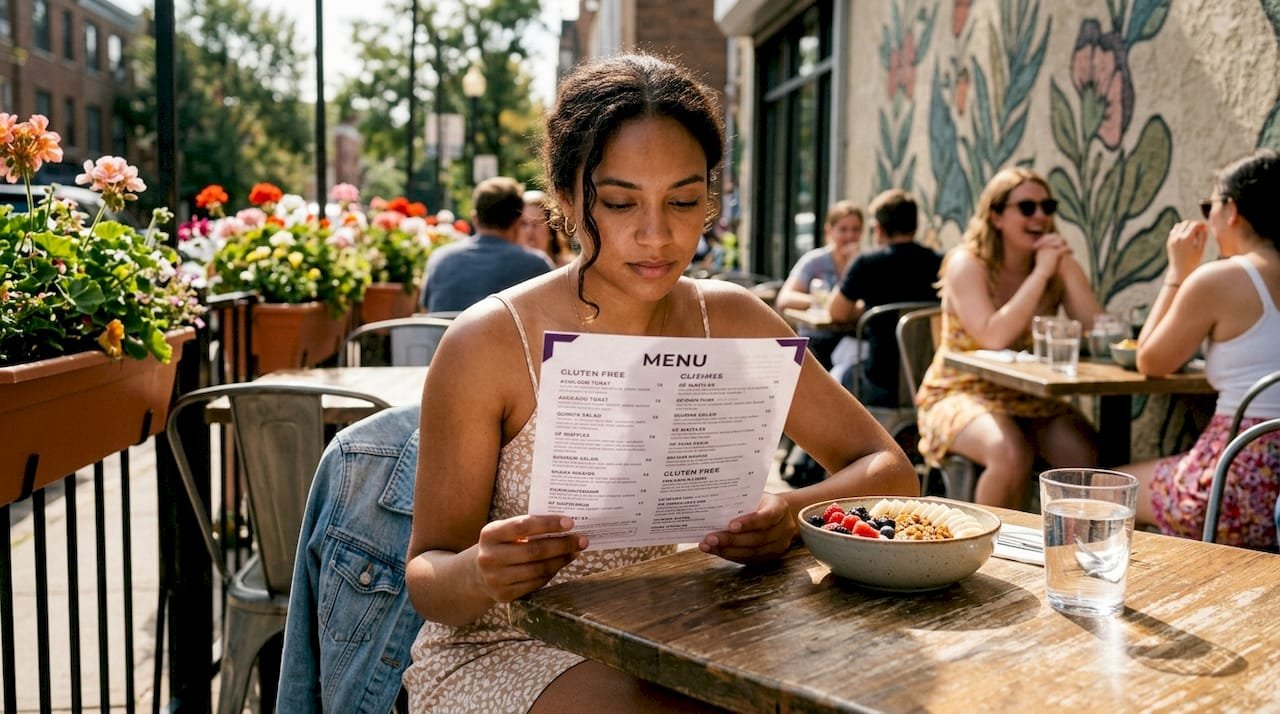
- Dietary inclusivity. Many fast-casual menus now include clear options for gluten-free, vegan, keto, and paleo diners.
For operators:
Fast-casual restaurants operate with simpler staffing needs than full-service restaurants. No waitstaff means lower labour costs and fewer scheduling complications. The made-to-order model also reduces food waste because meals are not pre-assembled in bulk. These efficiencies make the format attractive for operators who want to maintain food quality without the overhead of a full-service kitchen.
Pro Tip: When ordering at a fast-casual counter, ask staff about daily specials or seasonal ingredients. Many fast-casual kitchens rotate proteins and produce based on what is fresh that week.
The alignment with modern consumer values is not accidental. The rise of fast casual reflects a cultural shift toward fresh, transparent, and customisable food experiences at moderate prices. Diners increasingly want to know where their food comes from. Fast casual answers that demand directly.
What do fast-casual menus and formats typically look like?
Fast-casual menus are built around customisation and ingredient transparency. The most common formats share a few defining traits.
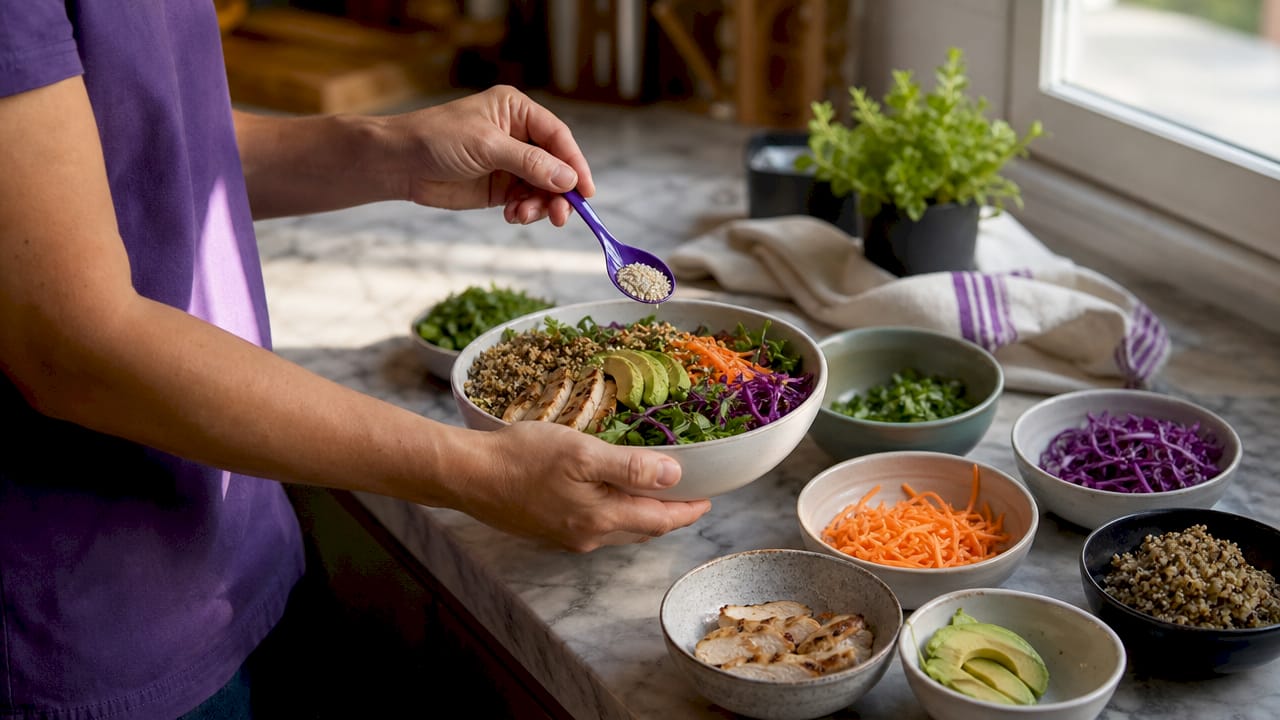
Build-your-own formats are the backbone of the category. Diners choose a base, such as a burrito, bowl, or wrap, then select proteins, toppings, and sauces from ingredients displayed at the counter. This format works because it is fast, visual, and personal. You see every ingredient before it goes into your meal.
From-scratch preparation separates fast casual from fast food at the kitchen level. Proteins are slow-cooked or hand-prepared rather than reheated from frozen. Sauces and salsas are made in-house. Burritosplendido, for example, slow-cooks proteins like Carnitas, Barbacoa, and Adobo Chicken in-house and hand-pulls them daily. The tortillas are pressed fresh using 100% Manitoba-produced flour. That level of preparation is standard for the category, not exceptional.
Health-conscious and plant-forward options have become a core part of fast-casual menus. Vegan proteins, gluten-free bases, and low-carb bowl options are now expected rather than optional. Burritosplendido operates as a deep-fryer-free kitchen, which reflects a broader trend toward fresh, healthy menus across the fast-casual segment.
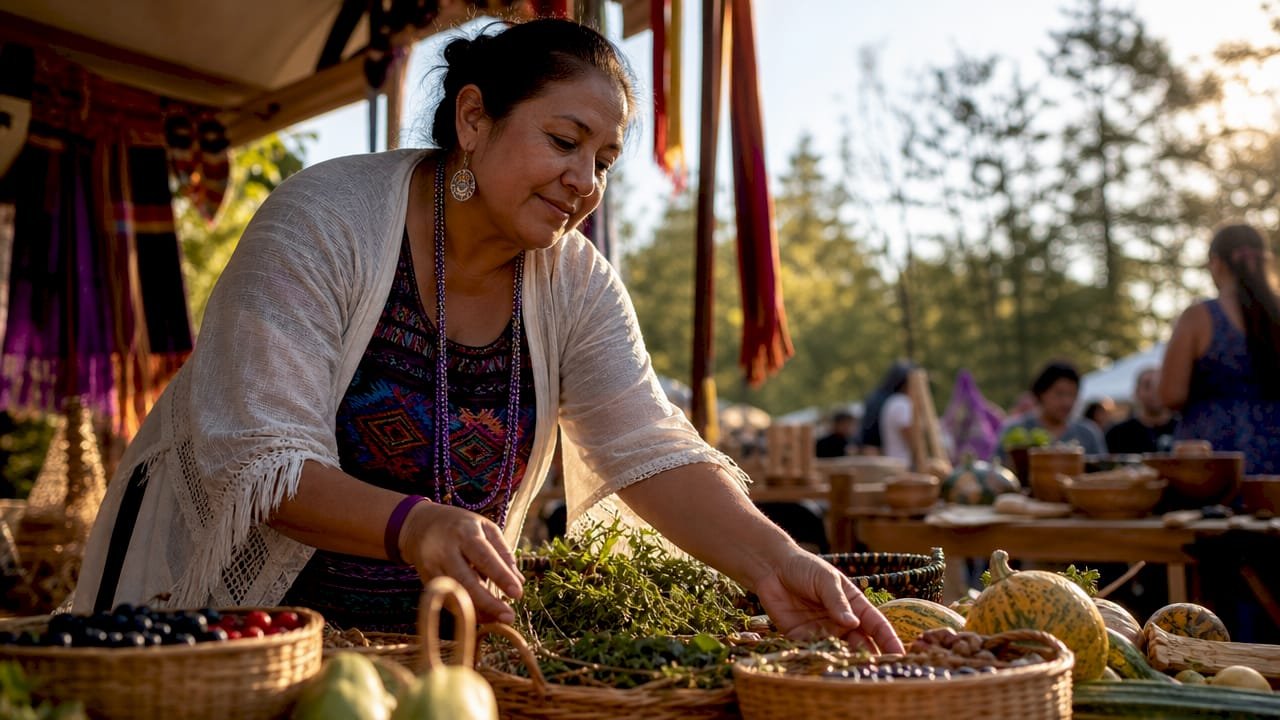
Local sourcing is increasingly common. Burritosplendido sources pork from local Manitoba farms, poultry from Granny’s Chicken, cheese from Bothwell Cheese, and produce through Peak of the Market. This “Manitoba-first” approach is a strong example of how fast-casual operators use local supply chains to differentiate their menus and support their communities.
Technology integration is growing across the category. Digital ordering kiosks, loyalty apps, and online ordering platforms are now standard tools for fast-casual operators. These tools reduce wait times and give diners more control over their orders. The evolution of Mexican food trends in 2026 shows how technology and local sourcing are reshaping what fast-casual menus look like in Canada.
One pricing note worth knowing: customisation options can push bills higher than the base price suggests. Premium proteins, specialty toppings, and add-ons each carry their own cost. A meal that starts at $12 can reach $18 quickly. That is not a flaw in the format. It is a reflection of real ingredient costs and the value of choice.
Key takeaways
Fast-casual dining is the clearest answer for diners who want fresh, made-to-order food at a moderate price without the wait or formality of a full-service restaurant.
| Point | Details |
|---|---|
| Defined by five criteria | Technomic’s standard: limited service, $8–$15 pricing, made-to-order food, upscale décor, no drive-through. |
| Sits between two formats | Fast casual costs more than fast food and less than casual dining, with check sizes of $10–$18 per person. |
| Customisation is central | Build-your-own formats give diners control over ingredients, portions, and dietary needs. |
| Operators benefit too | Simpler staffing and reduced food waste make fast casual efficient without cutting food quality. |
| Local sourcing is a differentiator | Brands like Burritosplendido use Manitoba-first supply chains to deliver fresher food and support local producers. |
Fast casual and the Canadian diner: my honest read
I have eaten at fast-casual restaurants across Canada for years, and the thing that strikes me most is how well the format fits the way Canadians actually live. We are not a culture that eats at our desks by choice, but we also do not have 90 minutes for lunch on a Tuesday. Fast casual fills that gap better than any other format.
What I find underappreciated is the role of local sourcing in making fast casual genuinely different. A lot of restaurants claim freshness. Fewer actually build their supply chain around it. When a restaurant presses its own tortillas from Manitoba flour and names the farm its pork comes from, that is not marketing. That is a different kind of operation entirely.
The one thing I would caution diners about is the service model. Fast-casual restaurants do not have waitstaff. Diners sometimes arrive expecting table service and feel confused when it does not appear. Clear your own table, manage your own refills, and treat the counter staff as you would a server. The experience is better when you understand the format going in.
Fast casual is not a compromise. It is a deliberate choice. The best operators in this space, including Burritosplendido, have built something that fast food cannot replicate and casual dining cannot match on speed or value.
— Austin
Burritosplendido: fast casual done right in Manitoba
Burritosplendido has operated as a fast-casual Mexican-inspired restaurant since november 2012, built on the principle that fresh, local ingredients and real customisation are not extras. They are the standard.
Every protein is slow-cooked and hand-pulled in-house. Every tortilla is pressed fresh. The menu covers burritos, naked bowls, street-style tacos, and quesadillas, with clear options for gluten-free, vegan, keto, and paleo diners. If you are planning a group meal or event, Burritosplendido’s catering services bring the same from-scratch quality to your location. For diners who want to build their own meal from Manitoba-sourced ingredients, the Winnipeg bowl customisation guide walks you through every option.
FAQ
What is the fast-casual restaurant meaning in simple terms?
Fast-casual dining is a restaurant format that offers made-to-order meals with quality ingredients through counter service, priced between fast food and casual dining. Technomic defines it by limited service, a $8–$15 price range, upscale décor, and no drive-through.
How is fast casual different from fast food?
Fast food prioritises speed and low cost with pre-made or held food, while fast casual focuses on fresh, made-to-order meals with higher-quality ingredients and a more comfortable atmosphere. Fast-casual check sizes run $10–$18 per person, compared to under $10 for fast food.
Do fast-casual restaurants have table service?
Most fast-casual restaurants do not have waitstaff. Customers order at the counter, seat themselves, and clear their own tables. Tipping is not standard in this format.
Why do fast-casual meals sometimes cost more than expected?
Premium proteins, specialty toppings, and add-ons each carry separate costs. A base meal priced at $12 can reach $18 or more depending on customisation choices. Reviewing the full menu before ordering helps you stay within your budget.
How long does a typical fast-casual meal take?
A fast-casual dining experience typically lasts 20–45 minutes, which is shorter than casual dining at 45–60 minutes. That timing makes it a practical choice for lunch breaks or family meals on a schedule.