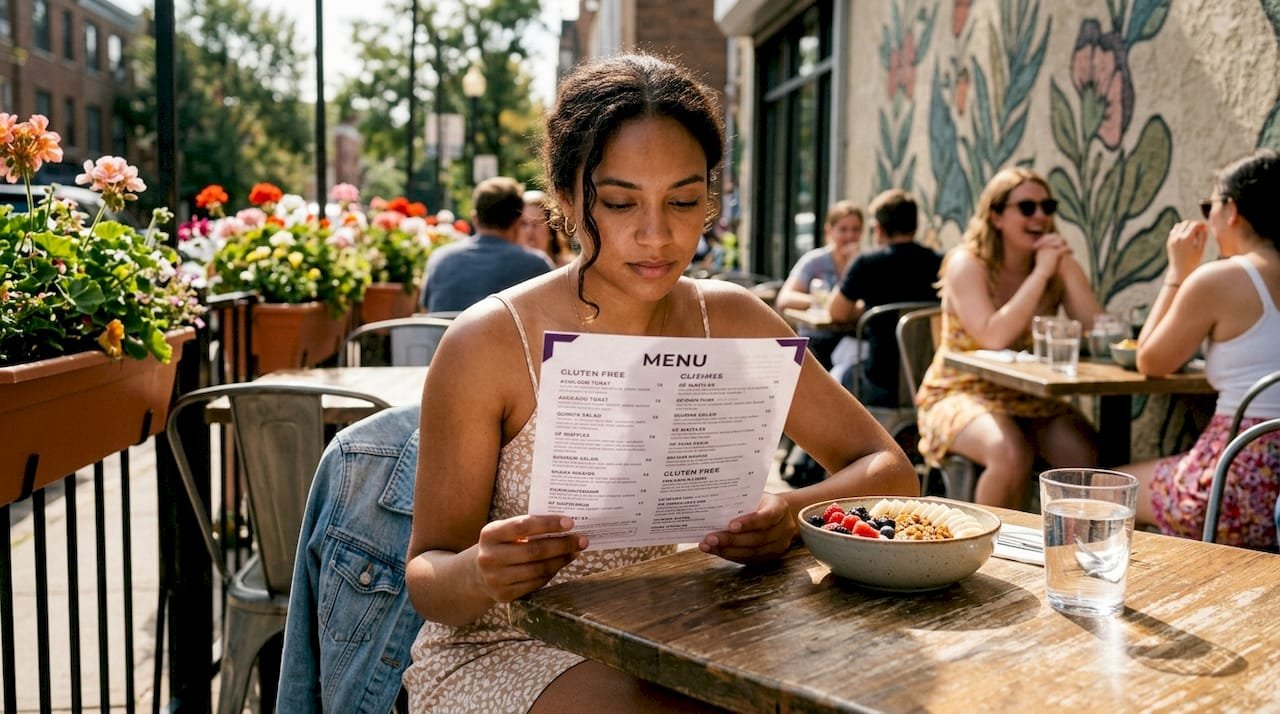
Gluten-free restaurant tips are practical strategies that help you avoid hidden gluten and cross-contamination when eating out. Safe gluten-free dining requires more than choosing dishes labelled “gluten-free.” The regulatory standard for gluten-free labelling sits at approximately 20 parts per million, and that threshold does not account for cross-contact during preparation. Whether you have celiac disease or a serious gluten intolerance, knowing how to verify kitchen practices, communicate clearly with staff, and choose the right dishes is what keeps you safe at the table.
1. How to verify cross-contamination protocols with restaurant staff
Cross-contact from shared equipment is the primary gluten risk in restaurants, not the natural gluten-free status of an ingredient. A grilled chicken breast is inherently gluten-free. If it lands on a grill shared with breaded items, it is no longer safe.
Ask these questions before you order:
- Do you have a dedicated fryer used only for gluten-free items?
- Are there separate prep surfaces and cutting boards for gluten-free meals?
- Do kitchen staff change gloves and use clean utensils when preparing my dish?
- Is gluten-free pasta boiled in fresh, separate water?
- Are your sauces and marinades free of wheat, barley, and rye?
Vague answers are a red flag. If a server says “we try our best” or “I think so,” that is not a safe answer. Dedicated fryer oil means physically separate oil, not the same oil filtered or reused. That distinction matters.
Pro Tip: Call the restaurant during mid-afternoon, between the lunch and dinner rush, to speak directly with the chef or manager. You will get more accurate answers and more time for a real conversation about your needs.
2. Best naturally gluten-free foods to choose at restaurants
Naturally gluten-free foods like grilled proteins, plain rice, and simple salads are your safest choices when eating out gluten-free. These dishes have fewer ingredients, which means fewer opportunities for hidden gluten to appear.
Safe picks to look for on any restaurant gluten-free menu:
- Grilled proteins: Plain grilled chicken, steak, or fish without marinades, sauces, or breading. Ask if the grill is shared.
- Plain rice: Steamed white or brown rice without added seasoning blends or sauces.
- Baked potatoes: Order plain, without toppings or coatings. Some restaurants dust potatoes with flour before baking.
- Steamed vegetables: Simple and low-risk, provided they are not tossed in a shared pan with gluten-containing items.
- Salads: Ask for dressing on the side and skip the croutons. Creamy dressings sometimes contain wheat as a thickener.
Certain cuisines offer more naturally gluten-free options. Mexican, Thai, Indian, and steakhouse menus tend to have safer choices built in. Corn tortillas, rice-based dishes, and grilled meats appear frequently in these kitchens. You can explore a gluten-free menu options list for a curated breakdown of safe dishes by category.
Pro Tip: At Mexican restaurants, ask specifically for soft corn tortillas rather than flour tortillas. Corn is naturally gluten-free, though you should still confirm the tortillas are not processed in a shared facility.
3. Common hidden gluten sources and how to spot them
Hidden gluten is the reason careful diners still get sick. Flour appears in places most people never think to check, and flour-based sauces, gravies, and marinades are among the top risks when dining out.
Watch for these hidden sources:
- Sauces and gravies: Many are thickened with wheat flour. Ask the kitchen to confirm the thickening agent.
- Soy sauce: Standard soy sauce contains wheat. Ask for tamari instead, and confirm the kitchen has it on hand.
- Seasoning blends: Pre-mixed spice blends sometimes include wheat as a filler or anti-caking agent.
- Potato coatings: Some restaurants coat fries or baked potatoes in flour before cooking for texture.
- Shared frying oil: Gluten-free labelled fries cooked in shared oil are not safe. The oil carries gluten from breaded items.
- Shared pasta water: Gluten-free pasta boiled in the same pot used for regular pasta absorbs gluten from the water.
Persistent symptoms despite following a gluten-free diet often point to unrecognised cross-contact or hidden gluten. If you feel unwell after a meal you believed was safe, revisit the details of how it was prepared.
4. Timing and ordering strategies that reduce your risk
Dining during off-peak hours gives kitchen staff the time and attention needed to follow careful gluten separation steps. Early or late seatings allow cooks to change gloves, use separate utensils, and clean surfaces properly without the pressure of a full rush.
Follow these ordering strategies for safer meals:
- Dine early or late. Avoid peak hours like 12:00–1:00 p.m. and 6:00–7:30 p.m. when kitchens are at maximum capacity.
- Request freshly prepared dishes. Ask that your meal be made fresh rather than pulled from a batch already sitting in a shared pan.
- Simplify your order. Fewer ingredients mean fewer risks. A plain grilled protein with rice is safer than a complex dish with multiple sauces.
- Ask for clean surfaces and utensils. Specifically request that the kitchen use a clean cutting board, clean tongs, and fresh gloves for your order.
- Escalate when needed. If your server seems uncertain, politely ask to speak with the chef or manager. Involving the chef directly converts vague assurances into real preparation procedures.
- Know when to walk away. If the kitchen is overwhelmed or answers remain unclear, choosing a different dish or a different restaurant is the right call.
5. How to communicate your gluten-free needs clearly
Precise language is the single most effective tool you have when eating out gluten-free. Stating “I have celiac disease” and naming the specific grains to avoid reduces ambiguity and signals medical urgency to kitchen staff.
Use this script as your starting point: “I have celiac disease. I need my food to be completely free of wheat, barley, and rye, with no cross-contamination from shared surfaces, utensils, or cooking oil.”
Avoid saying only “I eat gluten-free.” That phrase is associated with lifestyle preference, not medical necessity, and staff may treat it accordingly. Medical precision terms like “celiac disease” and naming the specific grains improve how kitchen staff handle your order. Ask your server to check with the chef before confirming your meal is safe. If the answer comes back quickly without any consultation, that is worth questioning.
Pro Tip: Carry a small card listing your restrictions in writing. Hand it to your server and ask them to pass it to the kitchen. A written note reduces the chance of details being lost in verbal relay.
Understanding gluten-free tortillas and cross-contact in commonly used items is a good place to deepen your knowledge before your next restaurant visit.
6. When to trust a gluten-free claim and when to question it
If a restaurant cannot confidently describe its preparation procedures, that is your cue to choose a safer option or a different establishment. Your health takes priority over politeness or convenience.
A restaurant earns your trust by giving specific, consistent answers. “Yes, we have a dedicated fryer” is specific. “We try to keep things separate” is not. Gluten-free menu labels are a starting point, not a guarantee. The label tells you the dish was designed without gluten-containing ingredients. It does not tell you how it was cooked, what surfaces it touched, or whether the staff understood your needs.
Gluten-free travel tips apply the same logic. When you are in an unfamiliar city or country, use apps like Find Me Gluten Free to locate restaurants with verified gluten-free protocols and real diner reviews. Read recent reviews specifically from people with celiac disease, not just general gluten-free diners. Trust your instincts. If something feels off about how your questions are being handled, it probably is.
Key takeaways
Safe gluten-free dining requires verifying kitchen preparation methods, communicating with medical precision, and choosing naturally simple dishes over complex, sauce-heavy meals.
| Point | Details |
|---|---|
| Cross-contact is the main risk | Shared fryers, surfaces, and utensils transfer gluten even to naturally gluten-free dishes. |
| Call ahead during off-peak hours | Mid-afternoon calls reach chefs directly and produce more accurate preparation answers. |
| Use medical language | Saying “celiac disease” and naming wheat, barley, and rye improves how staff handle your order. |
| Choose simple dishes | Grilled proteins, plain rice, and undressed salads carry the lowest cross-contact risk. |
| Walk away when uncertain | If kitchen staff cannot describe preparation steps clearly, choosing another option protects your health. |
What I have learned from years of eating out gluten-free
The biggest mistake I see gluten-free diners make is accepting a “yes” too quickly. A server who nods and says “absolutely, no problem” without checking with the kitchen has not actually confirmed anything. The confidence of the answer is not the same as the accuracy of the answer.
Calling ahead changed everything for me. A five-minute phone call at 3:00 p.m. on a Tuesday tells you more about a restaurant’s gluten protocols than any menu label. Chefs who have thought about this will give you specific answers. Those who have not will stumble. That stumble is information.
I have also found that simplifying my order is the single most reliable risk-reduction strategy. A plain grilled protein with rice and a side salad is not the most exciting meal. But it is the meal I can eat without spending the next two days recovering. When I want something more complex, I choose restaurants I have already vetted and trust.
The hardest lesson is knowing when to leave. Politeness is not worth your health. If the kitchen is slammed, the server is distracted, and the answers are vague, the right move is to thank them and walk out. No restaurant meal is worth a flare-up.
— Austin
Gluten-free dining made easy with Burritosplendido
Burritosplendido was built around the idea that eating well should not require a compromise. The menu at Burritosplendido is designed to be inclusive from the ground up, with gluten-free soft corn tortillas from La Cocina, a deep-fryer-free kitchen, and staff trained to handle cross-contamination concerns seriously.
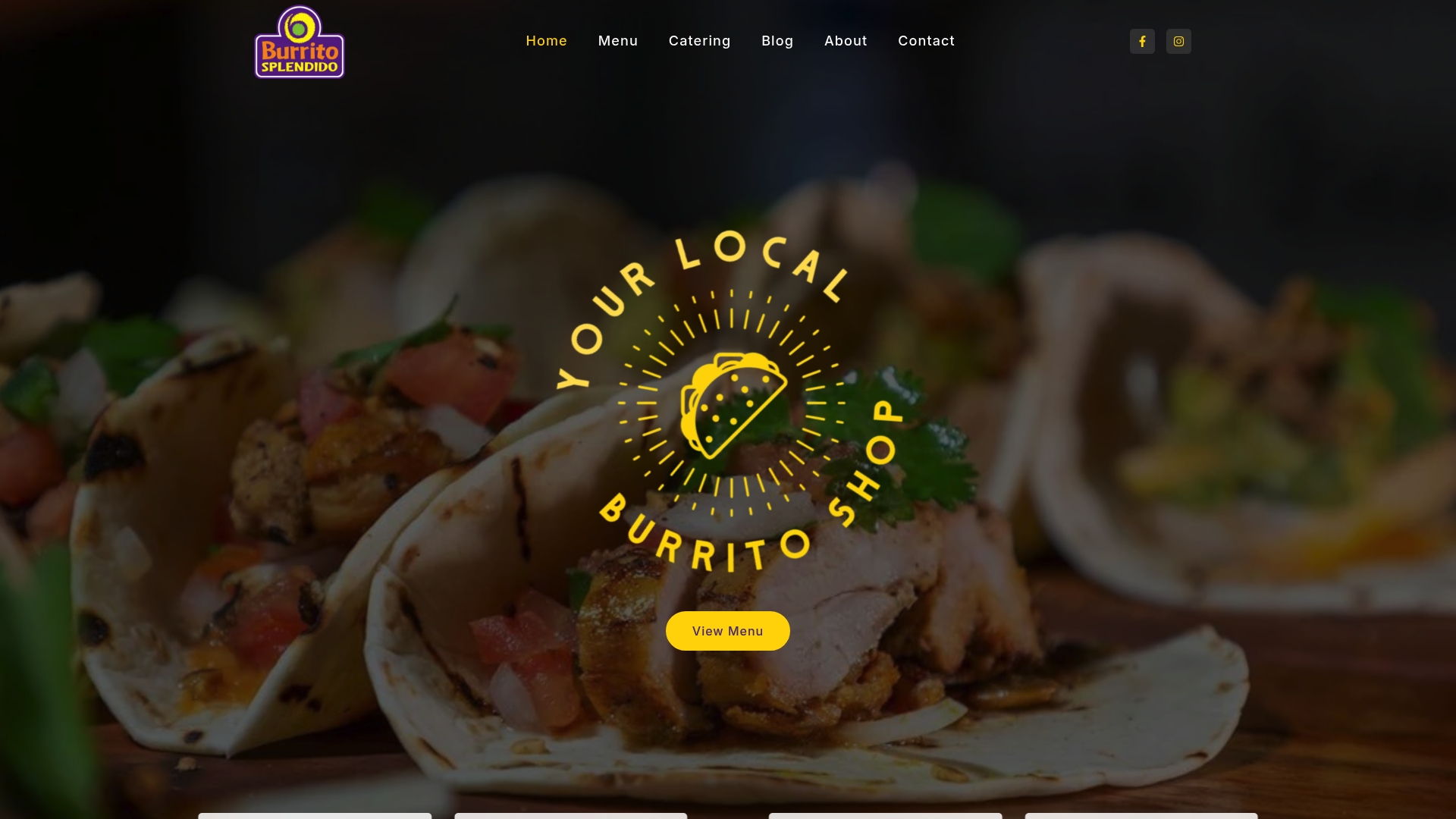
For groups and events, Burritosplendido’s gluten-free catering service brings the same fresh, customisable approach to your table. Every protein, from slow-braised Carnitas to hand-pulled Barbacoa, is prepared in-house daily. You can also browse the full menu at Burritosplendido to see how gluten-free, vegan, and keto options are built into every visit across Winnipeg and Brandon locations.
FAQ
What is the biggest gluten risk when eating out?
Cross-contact from shared fryers, surfaces, and utensils is the primary risk, not the natural gluten content of the dish itself. A naturally gluten-free ingredient becomes unsafe when it touches equipment that has handled wheat, barley, or rye.
What should I say to a server when ordering gluten-free?
State that you have celiac disease and need food free of wheat, barley, and rye with no cross-contamination. Ask your server to confirm preparation details directly with the chef before bringing your order.
Are gluten-free menu labels safe to trust?
Gluten-free labels indicate the dish was designed without gluten-containing ingredients, but they do not guarantee safe preparation. Always verify cooking methods, shared equipment, and utensil practices with kitchen staff.
Which cuisines are safest for gluten-free dining?
Mexican, Thai, Indian, and steakhouse menus tend to offer more naturally gluten-free options, including corn-based dishes, rice, and grilled proteins. Confirm preparation methods regardless of cuisine type.
When is the best time to dine out gluten-free?
Early or late seatings outside peak hours give kitchen staff more time to follow careful separation steps, change gloves, and use clean surfaces for your meal.