Carnitas is a traditional Mexican braised pork dish defined by its moist, juicy interior and crispy edges, achieved through a two-stage cooking process of slow simmering followed by high-heat crisping. The word itself translates to “little meats” in Spanish, a humble name for a dish that delivers extraordinary depth of flavour. Made from pork shoulder or butt, carnitas is the backbone of countless Mexican dishes, from street tacos to burritos. If you have ever wondered why carnitas tastes so different from ordinary pulled pork, the answer lies in technique, tradition, and a cooking heritage rooted in the state of Michoacán.
What is carnitas and where does it come from?
Carnitas originates from Michoacán, a state in west-central Mexico, where the town of Quiroga is regarded as the birthplace of the dish. This is not just culinary folklore. Michoacán’s carnitas tradition is so deeply embedded in regional identity that the dish received protected status as a collective trademark in 2016, recognising the artisanal craft passed down through generations. That level of cultural protection puts carnitas in the same category as Champagne or Parmigiano-Reggiano. The designation matters because it tells you this is a dish with rules, history, and pride behind it.
The cooking vessel is central to that tradition. Michoacán carnitas masters use large copper pots called cazos, and copper cooking vessels are credited with contributing to the unique texture and flavour that sets authentic carnitas apart from imitations. Copper conducts heat evenly and allows the fat to render at a consistent temperature, which is harder to replicate in stainless steel or cast iron. The craft is genuinely tied to the tool.
The cultural roots of carnitas also reflect the meeting of Spanish colonial influence and indigenous Mexican culinary practice. Pigs were introduced to Mexico by Spanish colonisers, but the technique of slow-cooking meat in its own fat draws on pre-existing indigenous methods. What emerged was a dish that belongs entirely to Michoacán, even if it is now beloved across the entire country and well beyond.
Key facts about carnitas’ cultural heritage:
- Michoacán, and specifically Quiroga, is the recognised birthplace of traditional carnitas
- Copper cazos are the traditional cooking vessel, valued for their even heat distribution
- Carnitas received collective trademark protection in 2016, cementing its artisanal status
- Traditional preparations include multiple pork cuts such as rind and stomach, producing a rustic, complex dish
- Annual festivals in Michoacán celebrate carnitas as a cornerstone of regional food culture
How are carnitas traditionally prepared?
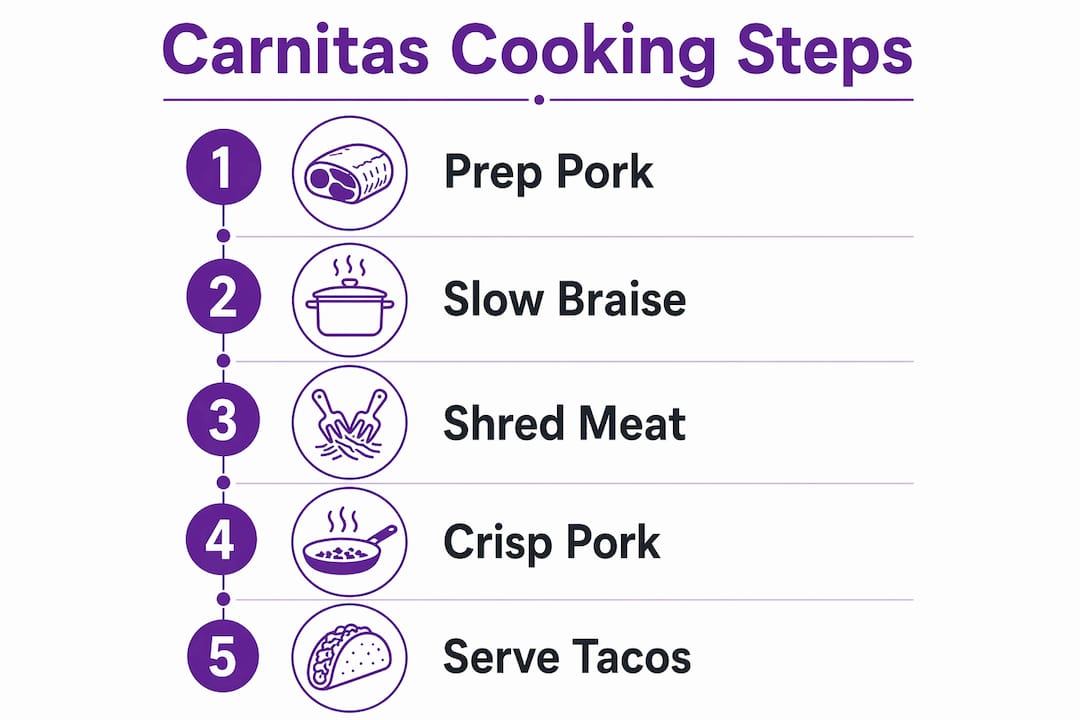
The authentic carnitas cooking method is a two-stage process: a long, slow braise in fat followed by a high-heat crisping phase. Getting both stages right is what separates genuinely great carnitas from a disappointing pile of dry shredded pork.
Stage one: the slow cook
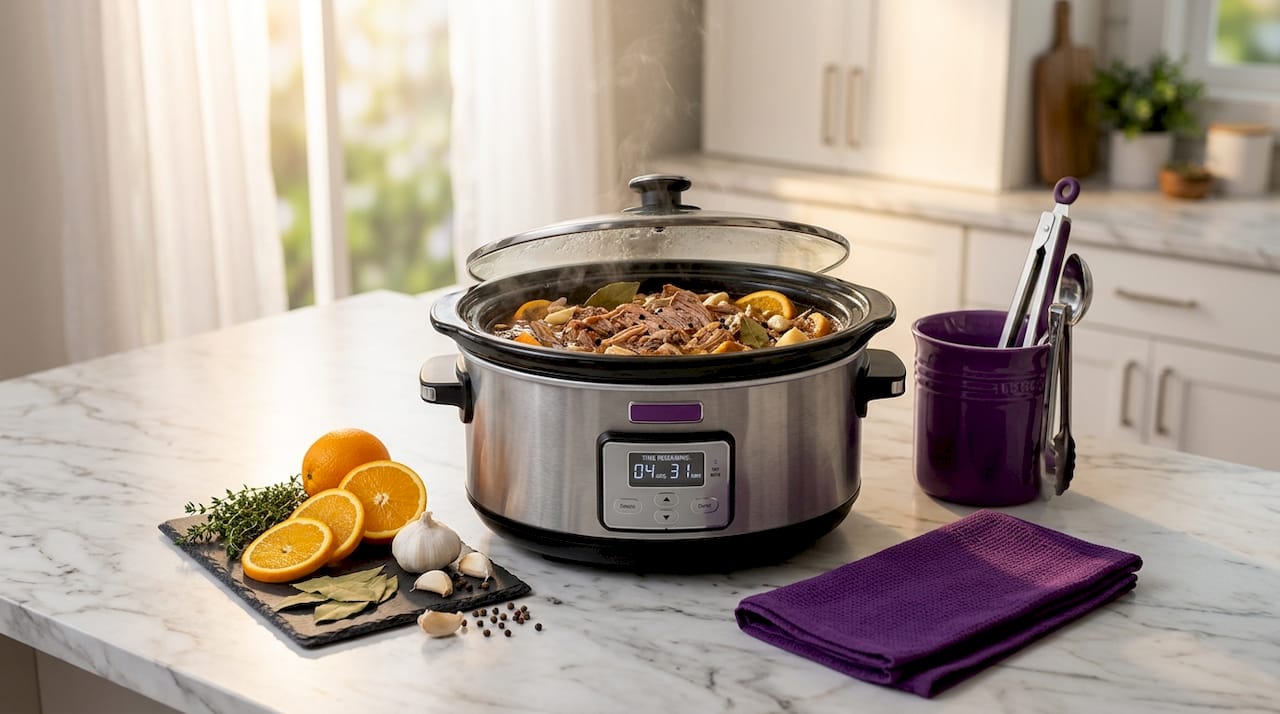
The process begins with pork shoulder or butt, chosen specifically for its fat marbling. That marbling is not incidental. Fat renders during the long cook and bastes the meat continuously from the inside out, keeping it moist even after hours of heat. Traditionally, the pork is submerged in lard inside a copper cazo and cooked low and slow. The two-stage process of searing then simmering in lard produces the tender meat and crispy skin that defines Michoacán-style carnitas. Common aromatics added during this stage include orange halves, white onion, bay leaves, dried oregano, and sometimes cinnamon or cloves. The orange is not decorative. Its acidity and natural sugars help tenderise the meat and contribute to caramelisation later.
Stage two: the crisp
Once the pork is fall-apart tender, it is pulled apart and returned to high heat to develop those signature crispy edges. The collected cooking liquid is separated into fat for crisping and a savoury braising liquid that can be reserved for salsa or spooned back over the meat when serving. This zero-waste approach is both practical and flavour-forward. The braising liquid is intensely seasoned and discarding it would be a genuine loss.
- Choose pork shoulder or butt with visible fat marbling
- Season generously with salt, then add orange, onion, bay leaves, and oregano
- Submerge in lard or a combination of lard and water in a heavy pot
- Cook low and slow, between 150°C and 160°C, for two to three hours until completely tender
- Remove the pork, shred it into large irregular pieces, and reserve the cooking liquid
- Separate the fat from the braising liquid
- Crisp the shredded pork in batches in the reserved fat over high heat until caramelised edges form
- Serve immediately or keep warm, spooning braising liquid over the meat to maintain moisture
Pro Tip: Crisp the shredded pork in small batches rather than crowding the pan. Overcrowding causes the meat to steam rather than caramelise, and you lose the textural contrast that makes carnitas worth the effort.
What are the modern methods for making carnitas at home?
The traditional lard-and-copper-pot method is extraordinary, but it is not practical for most home kitchens. Modern adaptations preserve the essential two-stage logic while using equipment most cooks already own.
The slow cooker method braises the pork in a mixture of chicken or pork stock, citrus juice, and spices over six to eight hours. The result is deeply tender meat that shreds easily. The Instant Pot compresses that timeline dramatically. Instant Pot carnitas can be ready in about one hour and still achieve tender, crispy results when finished under the broiler. The Dutch oven method sits between the two in terms of time and effort, offering better browning control than a slow cooker while remaining more accessible than a traditional cazo.
| Method | Time required | Texture result | Best for |
|---|---|---|---|
| Traditional copper cazo | 2 to 3 hours | Authentic crispy exterior, rich flavour | Purists and special occasions |
| Dutch oven | 2 to 2.5 hours | Excellent browning, close to traditional | Home cooks with time |
| Slow cooker | 6 to 8 hours | Very tender, requires broiling to crisp | Weekday meal prep |
| Instant Pot | 1 hour | Tender with good crisp when broiled | Quick weeknight cooking |
Regardless of method, the crisping step is non-negotiable. Draining fat and crisping in batches is the key to caramelised edges rather than soggy shredded pork. Spread the shredded meat in a single layer on a baking sheet and place it under a hot broiler for five to eight minutes, watching closely. The edges will darken and crisp while the interior stays moist. That contrast is the whole point.
Modern recipes also experiment with seasoning. Chipotle peppers in adobo, cumin, smoked paprika, and even cola or beer appear in contemporary carnitas recipes. These additions are not traditional, but they work within the same flavour logic: sweet, smoky, and acidic notes that complement the richness of slow-cooked pork.
How do you serve carnitas?
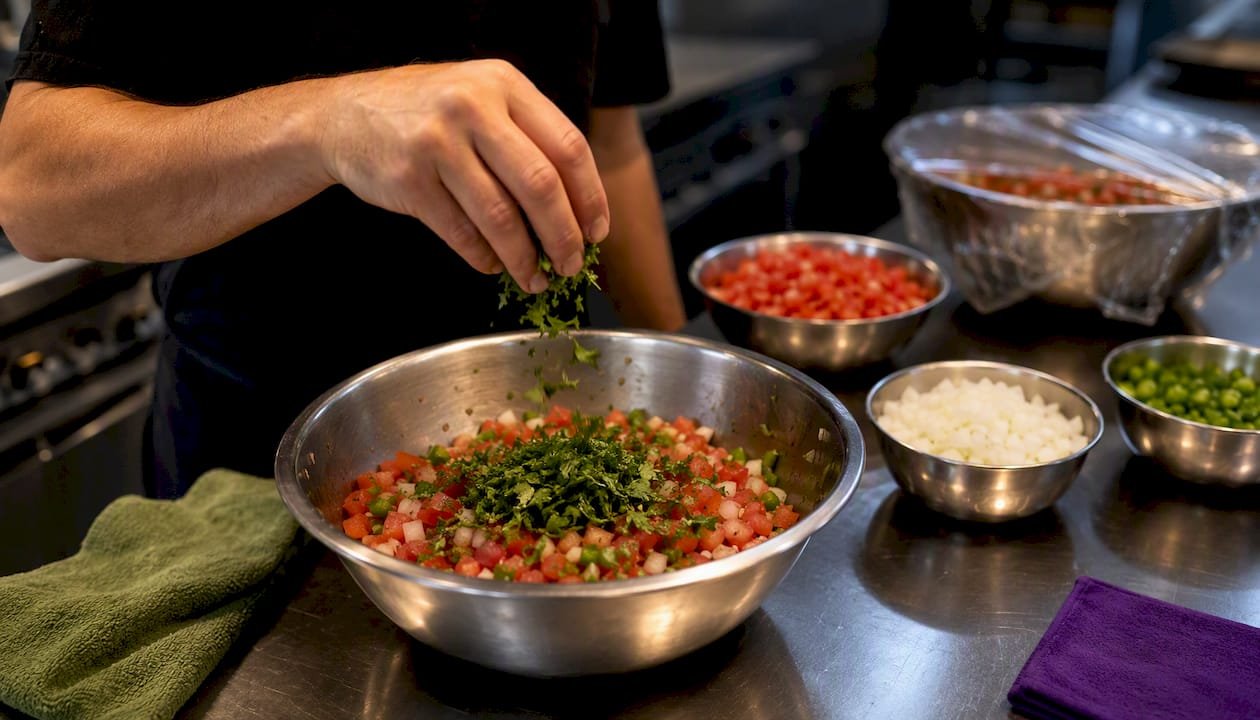
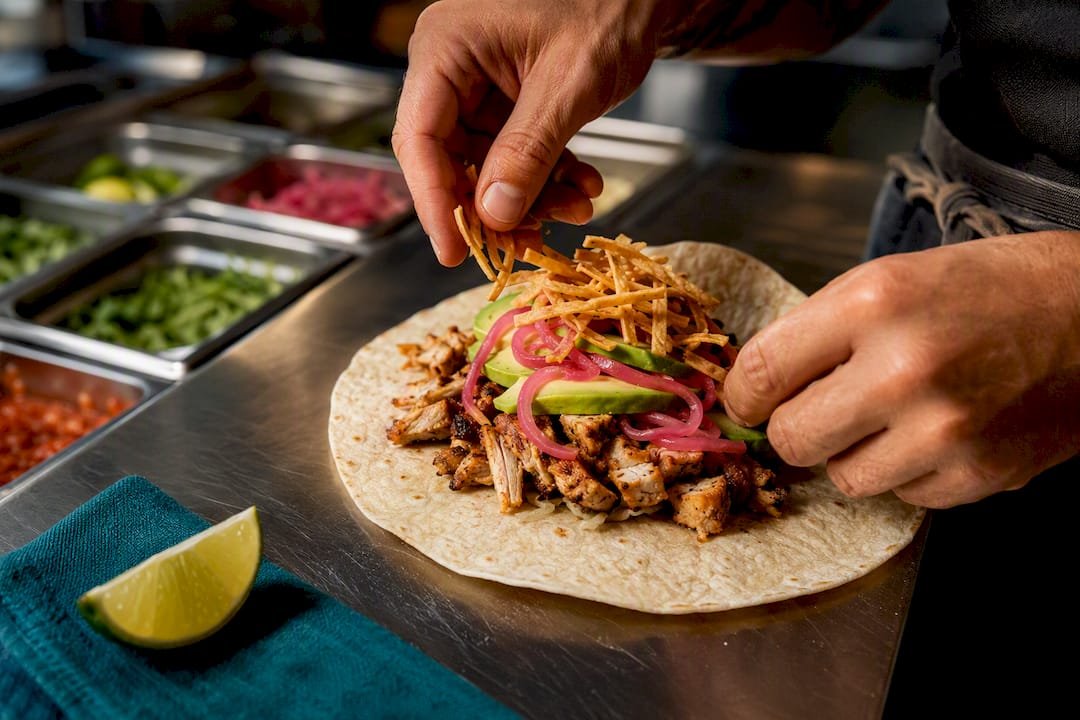
Carnitas are most commonly served in tacos with toppings like salsa verde, chopped white onion, fresh cilantro, crumbled queso fresco, and lime wedges. This combination is not arbitrary. Each element plays a role: the salsa verde cuts through the fat, the raw onion adds sharpness and crunch, the cilantro brings brightness, the queso fresco adds a mild salty creaminess, and the lime ties everything together with acidity. Removing any one of these components makes the taco noticeably less balanced.
For the tortilla, small corn tortillas are traditional. Doubling them up prevents tearing under the weight of the filling, which is standard practice at Mexican taquerias. If you want to assemble perfect tacos at home, warming the tortillas directly over a gas flame or in a dry cast iron pan makes a significant difference to both texture and flavour.
Beyond tacos, carnitas work beautifully in a range of dishes:
- Burritos: Wrapped with rice, black beans, sour cream, and pico de gallo in a large flour tortilla
- Tortas: Stuffed into a crusty bolillo roll with avocado, jalapeño, and refried beans
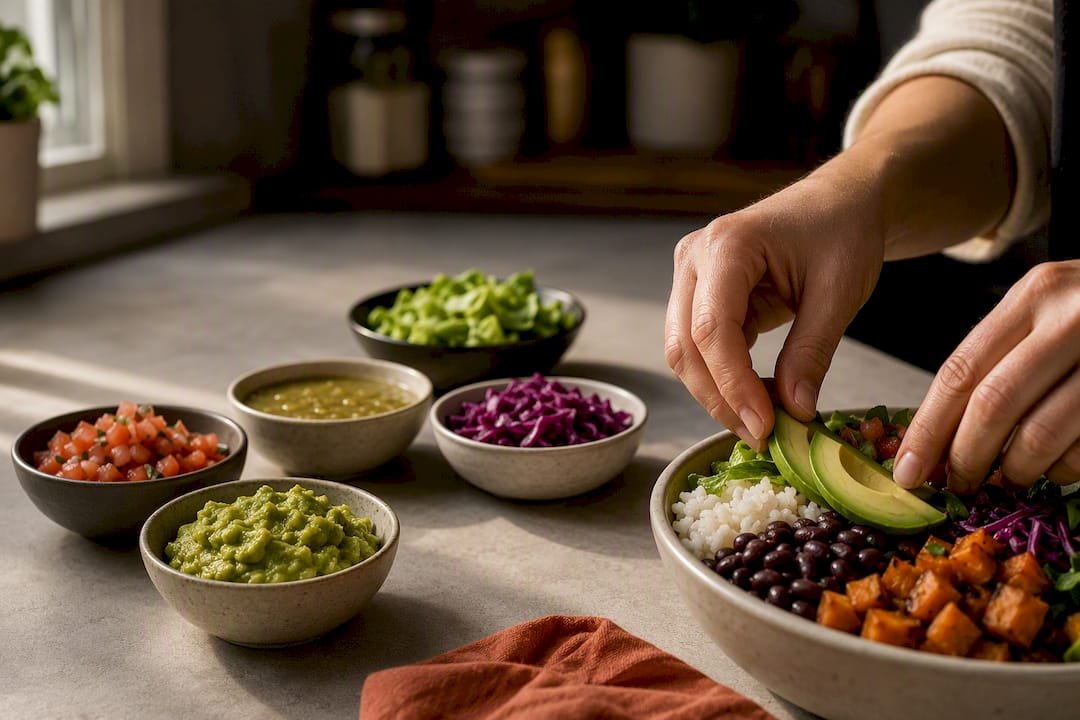
- Burrito bowls: Served over rice with all the taco toppings, minus the tortilla
- Quesadillas: Folded into a flour tortilla with Oaxacan or Monterey Jack cheese and griddled until golden
- Nachos: Piled over tortilla chips with cheese, sour cream, and guacamole
Carnitas also appear in catering and event menus as a crowd-pleasing protein that holds well and scales easily. For drinks, a cold Mexican lager, a margarita, or a glass of agua fresca with hibiscus all complement the richness of the pork without overpowering it.
Key takeaways
Carnitas is defined by its two-stage cooking process: slow braising for tenderness, then high-heat crisping for caramelised edges, and skipping either stage produces an inferior result.
| Point | Details |
|---|---|
| Definition and name | Carnitas means “little meats” in Spanish and refers to slow-cooked, crisped braised pork. |
| Cultural origin | Michoacán, especially Quiroga, is the recognised birthplace, with protected trademark status since 2016. |
| The crisping step | Crisping shredded pork in small batches is non-negotiable for authentic texture contrast. |
| Modern methods | Slow cooker, Dutch oven, and Instant Pot all work when followed by broiling to crisp the edges. |
| Serving tradition | Classic carnitas tacos use corn tortillas, salsa verde, white onion, cilantro, queso fresco, and lime. |
Why carnitas rewards the effort
I have cooked carnitas in a lot of different kitchens, and the dish still surprises me. Most people expect the slow-cook phase to be the hard part. It is not. The hard part is the crisping step, specifically the patience required to do it in batches without rushing. The first time I crowded the pan, I got steamed pork. Tasty, but not carnitas. The second time I spread it thin under the broiler and walked away for seven minutes, I understood what the fuss was about.
What I find genuinely underrated is the braising liquid. Most home cooks discard it. That liquid is concentrated pork stock, citrus, and aromatics. Reducing it slightly and spooning it back over the crisped meat just before serving adds a layer of flavour that no amount of extra seasoning can replicate. It is the difference between good carnitas and the kind that makes people ask for the recipe.
My honest recommendation for sourcing: use pork shoulder from a local butcher or farm if you can. The fat content in commercially raised pork shoulder is often lower than ideal, which affects both moisture and flavour. Burritosplendido sources its carnitas pork from local Manitoba farms precisely because that quality difference shows up in the final dish. If you are cooking at home, that same logic applies. Better pork, better carnitas.
— Austin
Taste authentic carnitas at Burritosplendido
Burritosplendido slow-cooks and hand-pulls its carnitas in-house every day, using pork sourced from local Manitoba farms. The result is the same tender, juicy, crisped-edge pork you would find in a Michoacán taqueria, built into tacos, burritos, and burrito bowls with fresh-pressed Manitoba flour tortillas and house-made salsas. Every protein on the menu, from carnitas to Barbacoa to Adobo Chicken, is prepared from scratch with no shortcuts. If you are planning a group meal or event, explore Burritosplendido’s catering menu to bring authentic Mexican flavours to your table with locally sourced ingredients at the centre.
FAQ
What does carnitas mean in Spanish?
Carnitas translates to “little meats” in Spanish. The name reflects the traditional practice of cooking various cuts of pork together in a single pot.
What cut of pork is used for carnitas?
Pork shoulder or pork butt is the standard cut for carnitas. Both cuts have the fat marbling needed to stay moist through a long, slow braise.
How is carnitas different from pulled pork?
Carnitas and pulled pork both use slow-cooked pork shoulder, but carnitas includes a crisping stage that pulled pork does not. Carnitas also uses citrus, lard, and Mexican aromatics, while pulled pork typically relies on barbecue-style rubs and smoke.
Can you make carnitas without lard?
Yes. Modern carnitas recipes use chicken stock, pork broth, or a combination of oil and water as a substitute for lard. The braising liquid still tenderises the pork effectively, and the crisping step under a broiler recreates the caramelised edges.
What are the best toppings for carnitas tacos?
The classic combination is salsa verde, chopped white onion, fresh cilantro, crumbled queso fresco, and a squeeze of lime on small corn tortillas. For a guide to building authentic tacos at home, each topping serves a specific flavour function and the combination is worth following closely.