Event catering is one of those things most people think they understand until they are actually responsible for it. You picture food arriving at a venue, guests eating, and the evening flowing smoothly. What event catering actually involves is far more layered: staffing, logistics, food safety, service timing, equipment, and often cleanup. Whether you are planning a wedding, a corporate lunch, or a milestone birthday, understanding what catering really entails helps you choose the right service, avoid costly surprises, and enjoy your own event instead of managing it.
Table of Contents
- Key takeaways
- What is event catering and why does it matter?
- Service models: drop-off vs full-service catering
- Meal service formats and event flow
- Planning your event catering: timelines and coordination
- What to expect from professional event catering
- My honest take on choosing catering wisely
- Catering your next event with Burritosplendido
- FAQ
Key takeaways
| Point | Details |
|---|---|
| Catering is more than food delivery | Professional event catering covers planning, staffing, service coordination, and cleanup, not just preparing food. |
| Service models vary significantly | Drop-off and full-service catering differ in host workload, cost, and guest experience in important ways. |
| Format affects event flow | Your choice of plated, buffet, or stations directly shapes guest movement and how your event unfolds. |
| Book early, confirm late | Start catering conversations months ahead, then lock in final headcounts and dietary needs one to two weeks before. |
| A BEO prevents day-of chaos | A detailed Banquet Event Order keeps every staff member, timeline, and logistics item on the same page. |
What is event catering and why does it matter?
Event catering is the professional planning, preparation, delivery, service, and post-event cleanup of food and beverages for a gathering of any size. It is not a single service so much as a category that spans everything from a tray of sandwiches dropped at an office to a multi-course plated dinner served by a team of twenty at a wedding reception.
What makes catering integral to an event is not simply that guests need to eat. It is that food and beverage service shapes the pace, atmosphere, and memory of an event more than almost any other element. A long wait at a single buffet line signals poor planning. A beautifully timed plated dinner feels like an experience. The mechanics underneath either outcome come from catering.
Event catering services are used across a wide range of occasions, including:
- Weddings and receptions where food is often the single largest budget item
- Corporate events such as conferences, product launches, and employee appreciation gatherings
- Social celebrations including milestone birthdays, anniversaries, and graduations
- Non-profit galas and fundraising events where presentation and service quality reflect on the organiser
- Casual gatherings like team lunches, office parties, and neighbourhood events
The scale, formality, and service model that suits each of these events varies widely. That variance is exactly why understanding the types of event catering available to you matters before you sign any contract.
Service models: drop-off vs full-service catering
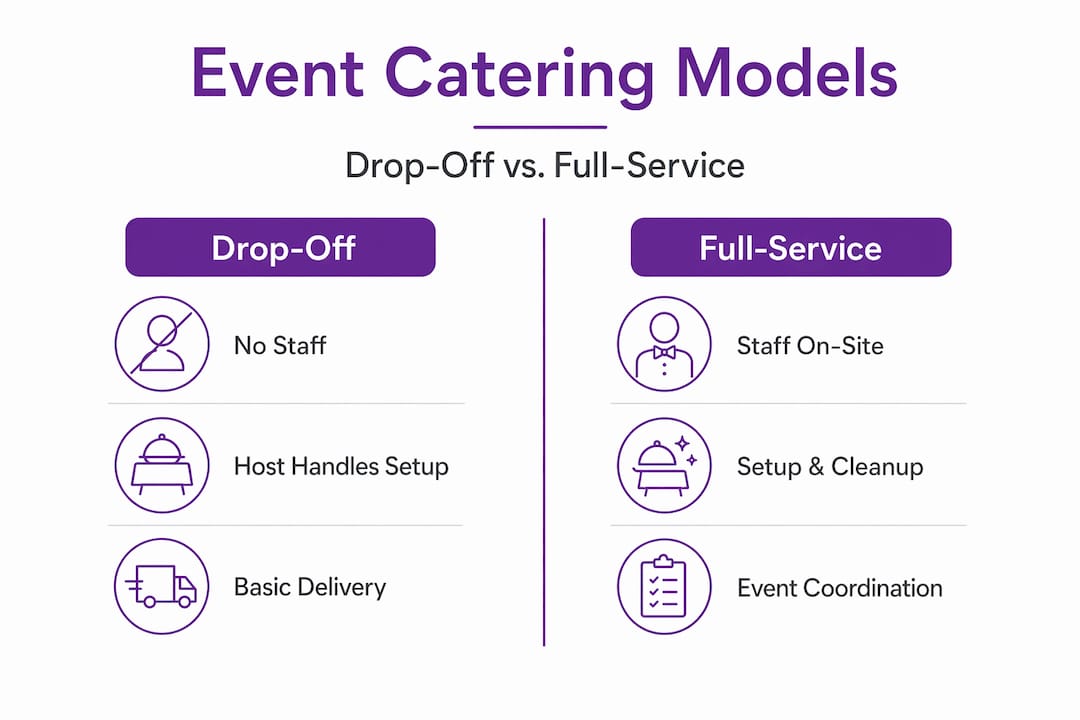
The most consequential choice you will make when organising catering is whether you need drop-off service or full-service catering. These two models are fundamentally different in terms of what the caterer handles and what falls to you.
Drop-off catering means the caterer prepares and delivers food to your venue, then leaves. You manage presentation, replenishment, timing, and cleanup. This works well for informal office lunches or casual gatherings where you have enough helping hands. The trade-off is real though. Drop-off shifts responsibilities for service timing and cleanup onto the host, which can create hidden workload despite lower quotes.
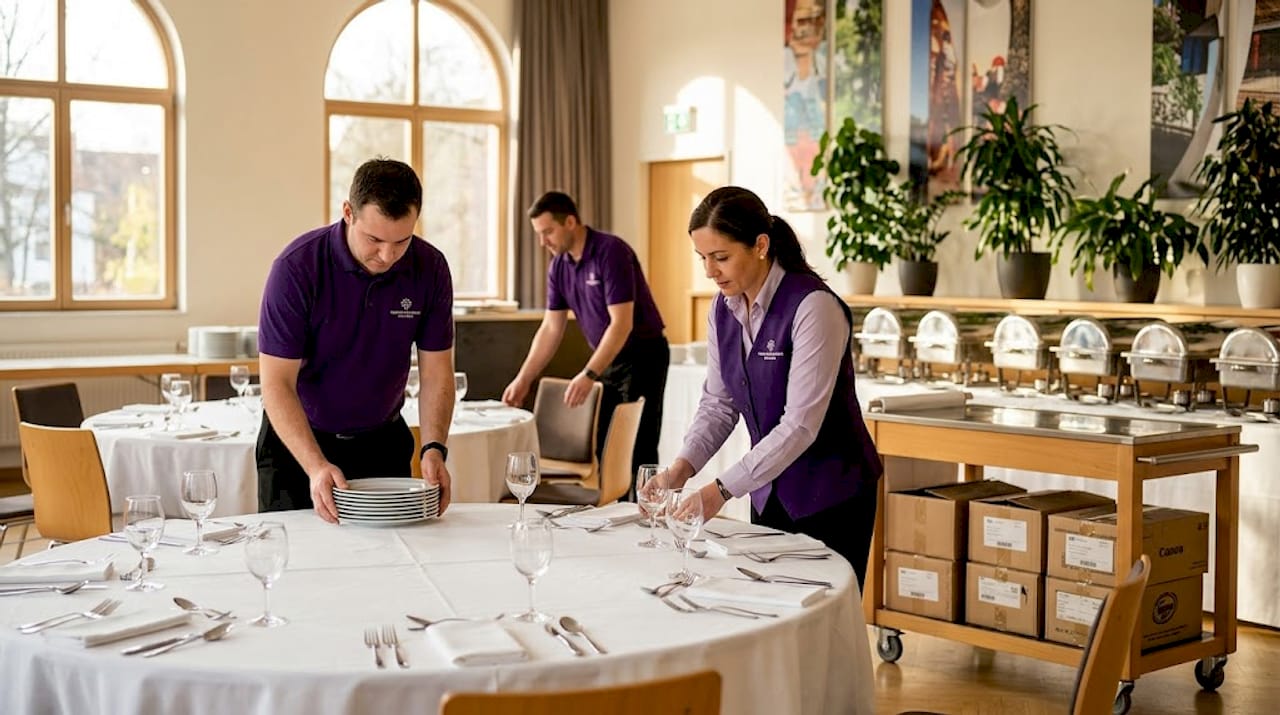
Full-service catering covers coordination, staffing, equipment setup, service timing, food-safety management, and cleanup after the event. The caterer’s team handles every operational detail so you do not have to. For weddings, formal corporate dinners, and larger social events, this is typically the right choice.
Beyond those two models, you will also encounter a distinction between on-premise and off-premise catering. On-premise catering uses the venue’s existing kitchen and facilities. Off-premise catering involves preparing food at a separate commissary kitchen, then transporting it with all necessary equipment to your venue. Off-premise is common when a venue has no kitchen infrastructure, which applies to many outdoor, heritage, and non-traditional spaces.
| Model | Who handles setup and service | Best suited for | Key consideration |
|---|---|---|---|
| Drop-off | Host and volunteers | Casual, smaller gatherings | Requires host effort on the day |
| Full-service | Catering team | Weddings, formals, large events | Higher cost, much lower host stress |
| On-premise | Venue staff or catering team | Hotels, banquet halls | Venue controls kitchen logistics |
| Off-premise | Mobile catering team | Outdoor, non-traditional venues | Requires transport and equipment planning |
Pro Tip: Before choosing drop-off to save money, honestly count how many people you would need on-site to manage service, replenishment, and cleanup. If the answer is more than two, full-service catering often costs less in stress and sometimes in actual dollars once you factor in rental equipment and volunteer coordination.
Meal service formats and event flow
How food is physically served to guests is a separate decision from which catering model you choose. The three most common formats each carry different implications for event pacing, staffing needs, and guest experience.
-
Plated (or plated sit-down) service is the most formal option. Courses are prepared in sequence and delivered directly to seated guests by servers. It requires more staff per guest than other formats, but it also creates a paced, controlled atmosphere where the event timeline flows predictably. This is the standard for wedding dinners and executive galas.
-
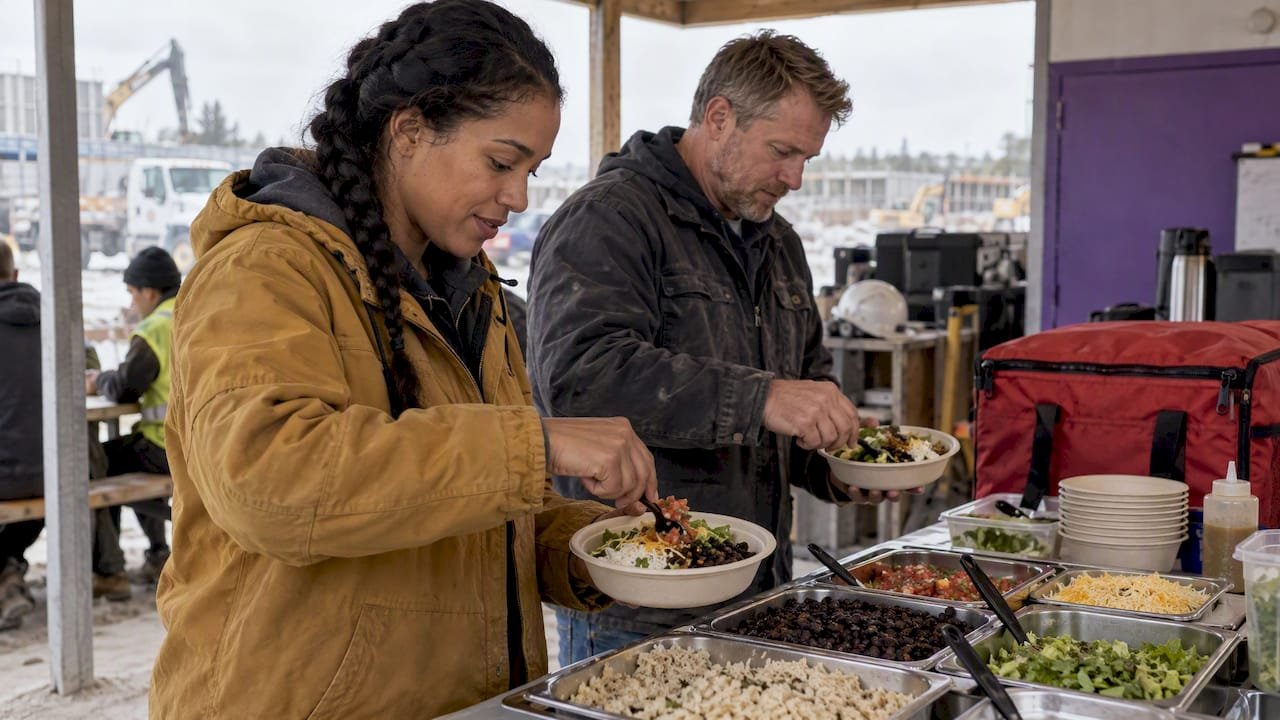
Buffet service places food on a central table or series of stations, and guests serve themselves. It is flexible and accommodates dietary variety well, but it requires careful planning for larger groups. A single buffet line slows significantly once guest counts exceed 100. For events with larger crowds, experienced caterers recommend multiple lines or stations to keep movement fluid and food fresh. Explore Mexican buffet options to see how creative station design can transform the format entirely.
-
Reception-style or food station service is the most casual and interactive of the three. Guests move freely between themed stations, which encourages mingling and allows for a wider variety of foods. This format works beautifully for cocktail hours, corporate networking events, and social celebrations where you want guests moving and talking rather than seated for extended periods.
Choosing your format proactively prevents common bottlenecks and directly shapes guest satisfaction. The format also affects your staffing requirements, table setup, and the overall venue footprint your catering team needs, so it should be decided early in your planning process.
Planning your event catering: timelines and coordination
Knowing how to cater an event well comes down to planning early and confirming often. Most experienced caterers recommend starting conversations at least two to six months before your event. For weddings with popular caterers, booking six to twelve months ahead is the norm, allowing time for tastings, menu development, and staffing arrangements.
Here is a practical planning checklist to keep your catering on track:
- Six or more months out: Research and contact caterers, discuss service models, request proposals, and schedule tastings
- Three to four months out: Confirm your caterer, sign a contract, and begin menu planning with dietary needs in mind
- Four to six weeks out: Confirm venue access, load-in windows, and any equipment rental details
- One to two weeks out: Provide final headcount and confirm all dietary requirements with your caterer
- Two to three days out: Walk through the BEO (Banquet Event Order) with your catering contact to verify every timeline item
The BEO deserves special attention. It is a detailed operational blueprint that covers your minute-by-minute event timeline, guest counts, menu notes, staffing assignments, setup details, and breakdown plans. Events without a confirmed BEO routinely run into service delays, staffing miscommunications, and cleanup confusion.
Common planning pitfalls include booking too late and losing preferred caterers, underestimating dietary requirements until the week of the event, and failing to confirm load-in logistics with the venue. Early booking reduces risk and gives your caterer enough time to source ingredients, arrange equipment, and build a properly sized crew for your event.
Pro Tip: Ask your caterer to walk you through the load-in schedule and service windows at least two weeks before the event. Knowing exactly when the team arrives, when food will be ready, and when service begins prevents the most common day-of bottlenecks before they happen.
What to expect from professional event catering
Understanding what to expect from catering on the day itself helps you stay relaxed and trust the process. Here is what a professional full-service catering team typically manages from setup through breakdown:
- Kitchen and prep coordination: Chefs arrive during the load-in window to set up cooking stations, heat or finish food, and organise service lines
- Table and station setup: The team arranges linens, chafing dishes, serving utensils, signage, and any decorative elements related to the food presentation
- Service flow management: Servers, bartenders, and coordinators actively manage the pace of service, refill stations, clear dishes, and respond to guest needs throughout the event
- Food safety monitoring: Professional caterers track temperature holding times, manage cross-contamination risks, and follow food handling protocols your guests never see
- Troubleshooting on-site: A catering coordinator handles any issue that arises, whether that is a delayed speech pushing back dinner service or a guest with an undisclosed allergy
- Post-event breakdown and cleanup: The team breaks down all food stations, packs up equipment, and leaves the kitchen and service areas clean
The difference between drop-off and full-service catering is most visible in this list. Drop-off catering hands most of these responsibilities back to you. Professional, coordinated load-in and service in a full-service model is what actually prevents disruptions and lets you attend your own event as a host, not a logistics manager. For guests with specific dietary requirements, a trained catering team is also far better positioned to handle those needs safely than a host managing a drop-off spread on their own. See what gluten-free catering looks like in practice to understand how professional management changes the experience.
My honest take on choosing catering wisely
I have spoken with enough first-time event planners to know that the word “catering” does different things to different people. Some hear it and think, expensive and complicated. Others hear it and think, someone brings food, done. Both reactions lead to the same mistake: not understanding the scope of what you are actually buying.
What I have found is that the hosts who enjoy their own events almost always chose full-service catering, or at minimum understood exactly what they were taking on when they chose drop-off. The hosts who spent their wedding reception refilling chafing dishes or their corporate launch plating appetizers in the back kitchen? They almost all wish they had asked more questions up front.
My honest advice is to have a direct conversation with any caterer you are considering about what they handle versus what falls to you. Get it in writing. Ask specifically about load-in, staffing ratios, and what happens if your timeline shifts. A good caterer will answer all of that without hesitation because they have a BEO ready to share.
Catering for special events is genuinely one of the areas where spending a bit more for proper service pays back in ways that are hard to quantify but very easy to feel. You are present at your event. Your guests are fed well and on time. Nobody is asking you where the serving spoons are.
— Austin
Catering your next event with Burritosplendido
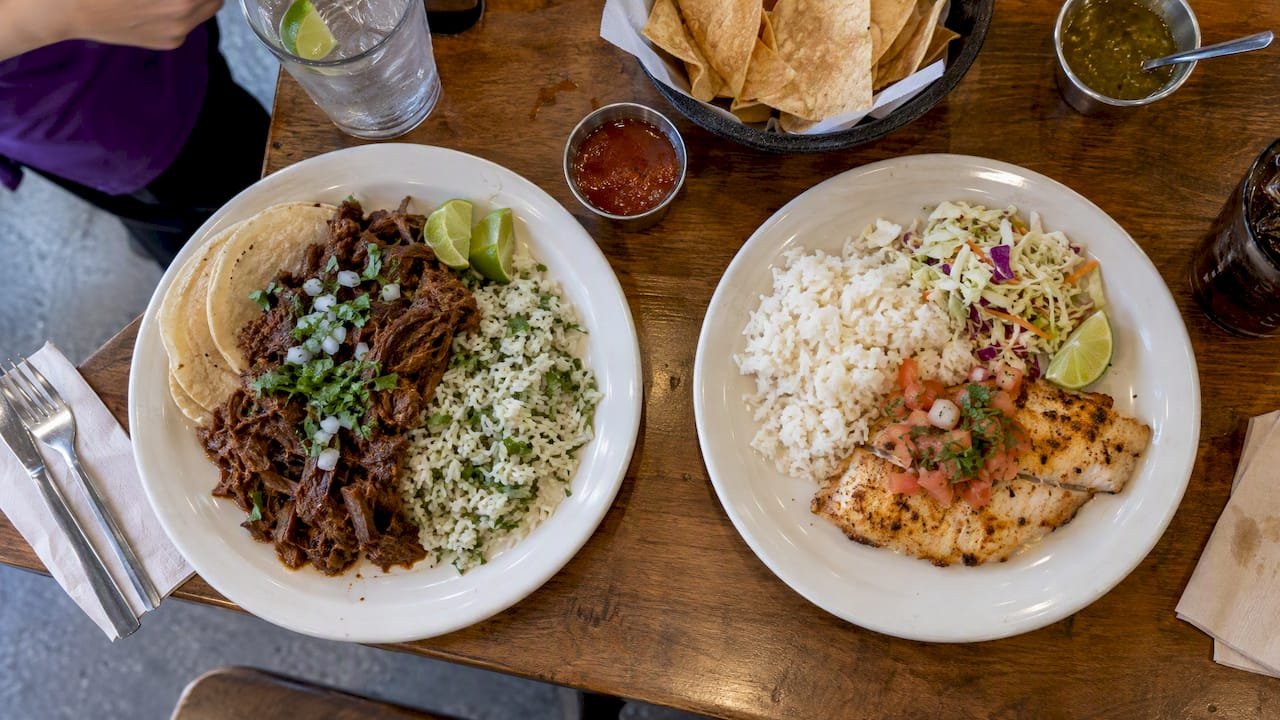
If you are planning an event in Manitoba and want food that guests actually talk about, Burritosplendido brings something different to the catering conversation. Built on locally sourced Manitoba ingredients, slow-cooked proteins, and house-pressed tortillas, the menu travels beautifully from corporate boardrooms to wedding receptions. Every item is made from scratch daily, which means the food arriving at your event is genuinely fresh, not reheated from a commissary.
Burritosplendido accommodates a wide range of dietary needs, including gluten-free, vegan, keto, and paleo options, so your guest list does not require a separate menu conversation. Whether you need drop-off convenience or coordinated full-service setup, explore the catering services to see what fits your event. For the full picture of what fresh Manitoba flavours can look like on your event menu, browse the healthy Mexican-inspired menus and reach out to start planning.
FAQ
What is the difference between drop-off and full-service catering?
Drop-off catering delivers food to your venue without on-site staff, leaving setup, service, and cleanup to the host. Full-service catering includes a staffed team that manages every operational detail from setup through breakdown.
How far in advance should I book event catering?
For most events, booking two to six months ahead is advisable. For weddings with popular caterers, six to twelve months is the recommended lead time to allow for tastings and menu planning.
What is a Banquet Event Order (BEO)?
A BEO is a detailed event blueprint that outlines the minute-by-minute timeline, guest counts, menu, staffing assignments, and setup and breakdown logistics. It is the primary document that keeps all catering staff aligned on event day.
What meal service format works best for large events?
Buffet and food station formats work well for large events, but a single buffet line becomes too slow beyond roughly 100 guests. Multiple lines or stations keep service moving and food quality consistent for larger crowds.
What should I look for in a professional event caterer?
Look for a caterer who provides a clear BEO, communicates transparently about staffing ratios and service scope, and has experience with your event type. Ask specifically what they handle versus what remains your responsibility before signing any agreement.