There is a persistent myth that a burrito is either a hefty, cheese-loaded street food or a sad fast-food compromise with mystery meat and a flavourless tortilla. Neither version leaves much room for the food-conscious Manitoba diner who wants something fresh, satisfying, and worth returning to. Defining modern burrito restaurants is really about understanding a shift in values, not just ingredients. These are places that treat customisation as a core promise, source locally where they can, and cook without a deep fryer in sight. Once you know what to look for, the difference is obvious.
Table of Contents
- What defines a modern burrito restaurant
- Global influences and fusion in modern burritos
- Key techniques and ingredient choices for the perfect modern burrito
- Comparing popular modern burrito concepts: freshness, health, and customisation
- Why redefining authenticity matters in modern burrito dining
- Explore fresh, local, modern burritos at Burrito Splendido in Winnipeg
- Frequently asked questions
Key Takeaways
| Point | Details |
|---|---|
| Core traits | Modern burrito restaurants focus on freshness, customization, and nutritional transparency for health-conscious customers. |
| Fusion cuisine | Global influences enrich modern burritos, with fusion dishes honouring evolving culinary heritage. |
| Preparation techniques | Techniques like the ‘bean barrier’ and uniform ingredient cuts ensure optimal taste and texture. |
| Customization importance | Build-your-own models empower diners to tailor meals to their dietary needs and preferences. |
| Local Manitoba options | Burrito Splendido exemplifies fresh, local, and customizable Mexican-inspired dining in Manitoba. |
What defines a modern burrito restaurant
The phrase “modern burrito restaurant” gets thrown around loosely, but there are real, measurable characteristics that separate these places from a standard takeout counter. The clearest signal is nutritional transparency. Modern burrito restaurants post calorie ranges, flag allergens, and train staff to handle dietary requests with actual knowledge rather than guesswork. Modern burrito restaurants focus on build-your-own meals with lean proteins and calorie counts typically between 400 and 600 calories, which puts them firmly in the territory of healthy Mexican menus in Manitoba rather than indulgent cheat-meal territory.
The second defining characteristic is ingredient sourcing. Fresh, whole ingredients are non-negotiable: grilled lean proteins, vibrant salsas made that day, and tortillas that were not pressed out of a factory three provinces away. For Manitoba diners, that standard takes on extra meaning when a restaurant can trace its cheese back to Bothwell, its chicken to a local farm, and its produce to Peak of the Market.
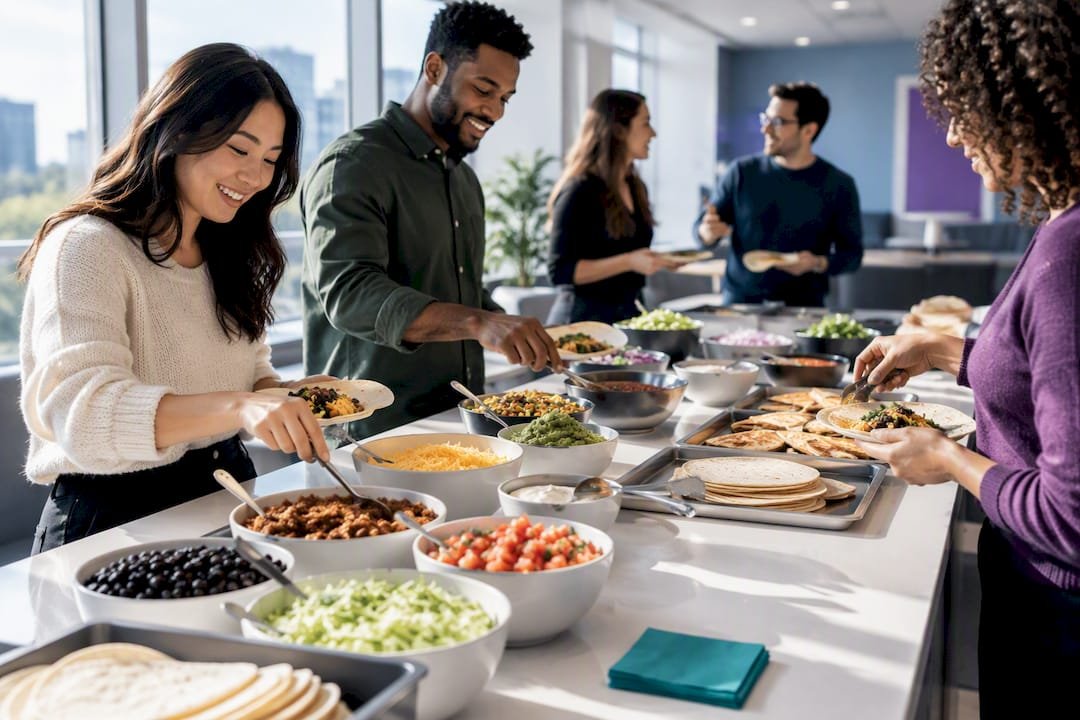
The third pillar is the build-your-own model. This is not just a convenience gimmick. It reflects a genuine respect for dietary diversity:
- Gluten-free guests can skip the flour tortilla and opt for corn alternatives.
- Vegan and plant-forward diners can build a complete, protein-rich bowl without compromise.
- Keto and paleo eaters can skip the rice and load up on proteins and fresh vegetables.
- Families with mixed dietary needs can eat the same meal at the same counter without special requests or substitutions.
A restaurant that operates without a deep fryer is also making a statement. It is not just about calories. Frying at high heat degrades the quality of fresh ingredients and signals a kitchen more focused on speed than craft.
With a clear understanding of what modern burrito restaurants emphasise, let us explore how global influences shape their evolving menus.
Global influences and fusion in modern burritos
One of the more interesting things happening in modern burrito culture is the quiet collapse of rigid culinary borders. The burrito itself is already a hybrid: a northern Mexican tradition that absorbed American influences over decades. So when a restaurant wraps Peruvian-style lomo saltado (a stir-fry of beef, tomatoes, and onions traditionally served with rice and fries) into a tortilla, it is not disrespecting anything. It is continuing a process that has always defined how food moves between cultures.
“Fusion” is a hallmark of the modern burrito, with cross-cultural influences like Peruvian lomo saltado or Italian-Mexican hybrids expanding traditional recipes in ways that delight rather than dilute.
The authenticity debate tends to ignore culinary history. Cuisines have always absorbed outside influences. The real question for a diner is not whether a dish is “pure” but whether it is made with skill and honest ingredients. Unique burrito concepts that draw from Korean, Japanese, or South American traditions are expanding the audience for this style of food, not watering it down.
For Manitoba diners, this fusion approach resonates especially well. Our food culture already celebrates that kind of borrowing: Ukrainian influences, Métis traditions, Filipino-Canadian cooking. The modern burrito fits naturally into that landscape. Restaurants exploring authentic flavors and fusion understand that the authentic Mexican food debate is less about purity and more about intention.
Some notable fusion directions appearing in trendy burrito spots right now:
- Korean BBQ burritos: gochujang-marinated beef, pickled daikon, sesame rice.
- Japanese-inspired wraps: teriyaki tofu, edamame, and rice wine-dressed cabbage.
- Peruvian fusion: lomo saltado filling with aji amarillo-spiced salsa.
- Mediterranean crossovers: lamb, tzatziki, and roasted red pepper filling.
Having seen how modern burritos incorporate global influences, let us look at the techniques that actually make them work.
Key techniques and ingredient choices for the perfect modern burrito
Knowing what goes into a great modern burrito is one thing. Understanding the technique behind it is what separates a restaurant that gets it right every time from one that produces a soggy, uneven mess.
-
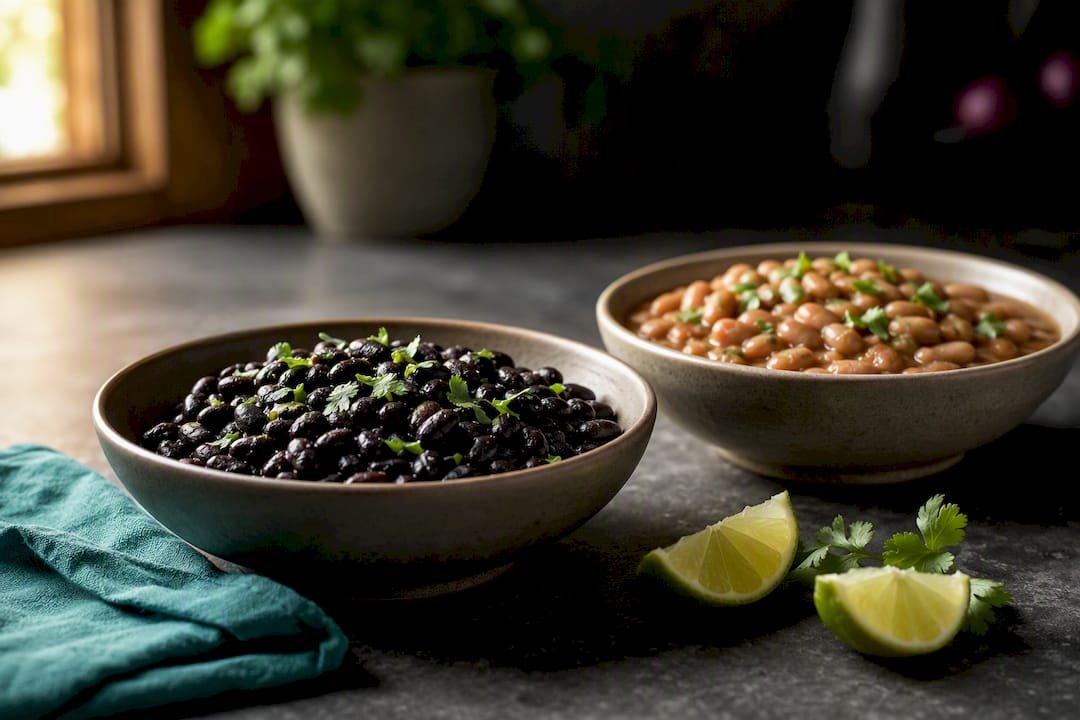
Use the bean barrier. Spreading refried beans on the tortilla first creates a moisture barrier that protects the wrap from wet ingredients like salsa or braised meat. This is the single most overlooked technique in burrito preparation, and it is why a well-made burrito still holds together on the last bite.
-
Cut ingredients to a consistent size. Small, uniform ingredient cuts ensure even heating throughout the burrito and prevent a cold centre from ruined mouthfuls of crunchy, underheated filling.
-
Choose lean, flavourful proteins. Grilled chicken, slow-braised pork (Carnitas), and shredded beef (Barbacoa) are standard in artisan burrito styles because they deliver flavour without excess grease. Tofu and black beans are excellent plant-based alternatives that hold their texture under heat.
-
Balance wet and dry components. A burrito loaded with guacamole, salsa, and sour cream without a counterbalancing dry element like rice or seasoned beans will collapse. The ratio matters as much as the ingredient quality.
-
Warm the tortilla properly. A cold, stiff tortilla tears. A properly warmed one is pliable, slightly toasted, and adds a subtle flavour of its own. House-pressed tortillas, like those made daily at Burrito Splendido from 100% Manitoba-produced flour, are a different product entirely compared to pre-packaged alternatives.
Pro Tip: When building your own burrito, ask for the moisture-rich elements like salsa and guacamole to be placed near the centre and surrounded by rice or beans. This protects the tortilla and keeps the structure intact far longer.
For those interested in making authentic burritos at home with Canadian-sourced ingredients, these same principles apply.
With these techniques in mind, let us compare how different modern burrito restaurants approach freshness, health, and customisation.
Comparing popular modern burrito concepts: freshness, health, and customisation
Not all modern burrito concepts are built the same. Here is how some of the most recognised approaches to burrito dining experiences stack up across the dimensions that matter most:
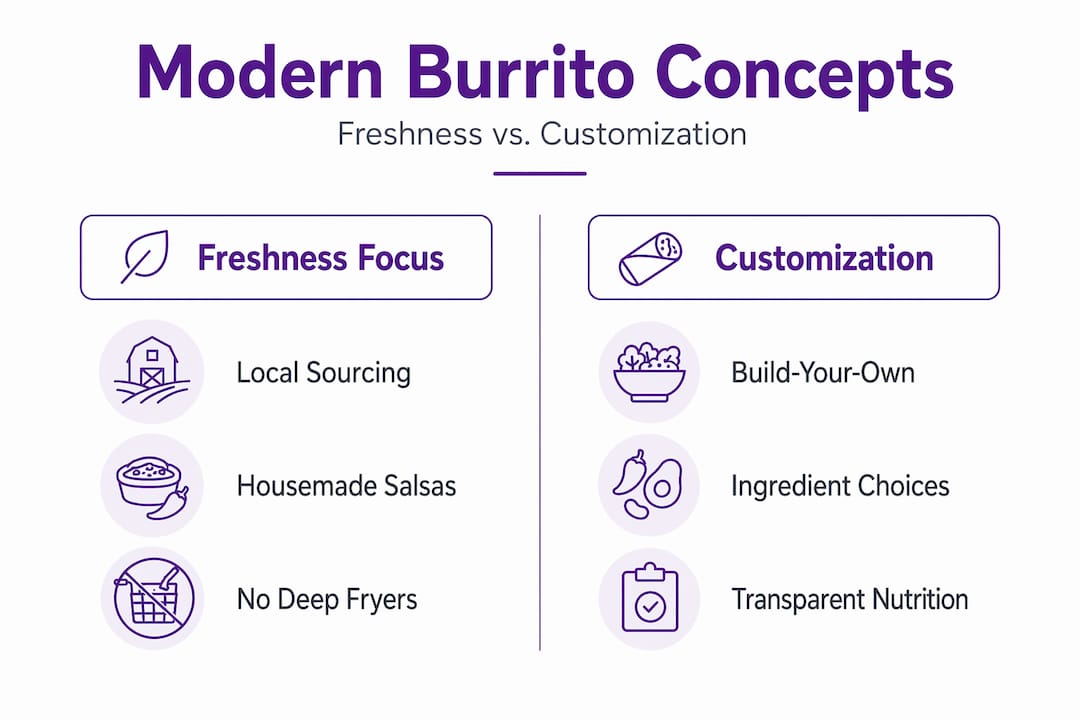
| Concept | Freshness focus | Health approach | Customisation level | Local sourcing |
|---|---|---|---|---|
| Assembly-line fast casual | High | Nutritional transparency, calorie counts | High, build-your-own | Varies by region |
| Plant-forward wraps | Very high | Whole wheat tortillas, vegan options | High | Some locations |
| Regional artisan | Very high | No deep fryers, whole ingredients | Very high | Strong |
| Popular burrito chains | Moderate | Standard options, some transparency | Moderate | Limited |
Chipotle’s build-your-own concept is often credited with setting the template: a transparent assembly line of fresh, high-quality ingredients that lets you control your own nutrition and flavour profile. That model proved something important. Customers want involvement in their meal. They want to see what they are eating before they commit to it.
The distinction worth paying attention to for Manitoba diners is the local sourcing column. National and international chains cannot source from Peak of the Market or Bothwell Cheese. They are buying at scale from wherever the supply chain takes them. A regional restaurant with a Manitoba-first philosophy is producing something genuinely different, not just in branding but in actual flavour and freshness.
A few things to look for when evaluating any modern burrito spot:
- Protein quality: Is it slow-cooked and hand-pulled, or reheated from a bag?
- Tortilla origin: House-pressed or pre-packaged?
- Sauce transparency: Are salsas made that day or poured from a jar?
- Dietary options: Are gluten-free and vegan choices genuine or an afterthought?
Pro Tip: Use the Winnipeg Mexican restaurant checklist to evaluate any local spot against these modern burrito benchmarks before you go.
For a closer look at what fresh custom Mexican in Winnipeg looks like in practice, the difference between regional-first and national-chain sourcing becomes very clear very quickly.
Now that you know the hallmarks of modern burrito restaurants, here is a perspective that challenges some of the common framing around authenticity.
Why redefining authenticity matters in modern burrito dining
Here is a take that often gets dismissed too quickly: the obsession with “authentic” Mexican food in Canada frequently does more harm than good. It creates an imaginary standard that even Mexican food in Mexico does not consistently meet, because Mexican cuisine is itself a living, regional, constantly evolving tradition. Demanding rigid authenticity from a restaurant in Winnipeg is, frankly, a bit like demanding a single “authentic” Canadian dish.
The stronger argument is for intention and quality. A restaurant that slow-cooks its Carnitas for hours, presses its tortillas from locally milled flour, and sources its cheese from a Manitoba dairy is making genuine food. Whether that food is “authentic” by some external standard matters far less than whether it is made with care, skill, and honest ingredients.
The fusion conversation reinforces this. Peruvian cuisine is fusion by default, with Chinese immigrants shaping signature dishes like lomo saltado. Treating fusion as a betrayal of culinary heritage ignores the fact that cultural exchange is where the best food has always come from.
For Manitoba diners, this reframing is genuinely freeing. It means you can embrace a pickerel taco, a local-beef Barbacoa burrito, or a vegan bowl built on Manitoba-grown produce as fully legitimate expressions of what authentic Mexican food really means when it takes root in a new place. The food reflects where it is made and who is making it. That is not a compromise. That is evolution.
Modern burrito culture at its best is not about recreating something from another country. It is about applying a philosophy of fresh ingredients, honest cooking, and genuine customisation to the place you actually live.
Explore fresh, local, modern burritos at Burrito Splendido in Winnipeg
Everything this article covers, from house-pressed tortillas and transparent nutrition to build-your-own customisation and deep-fryer-free cooking, is exactly what Burrito Splendido has been delivering to Manitoba since 2012. Every burrito is made from scratch daily using locally sourced Manitoba ingredients, including Bothwell Cheese, Granny’s Chicken, and produce from Peak of the Market.
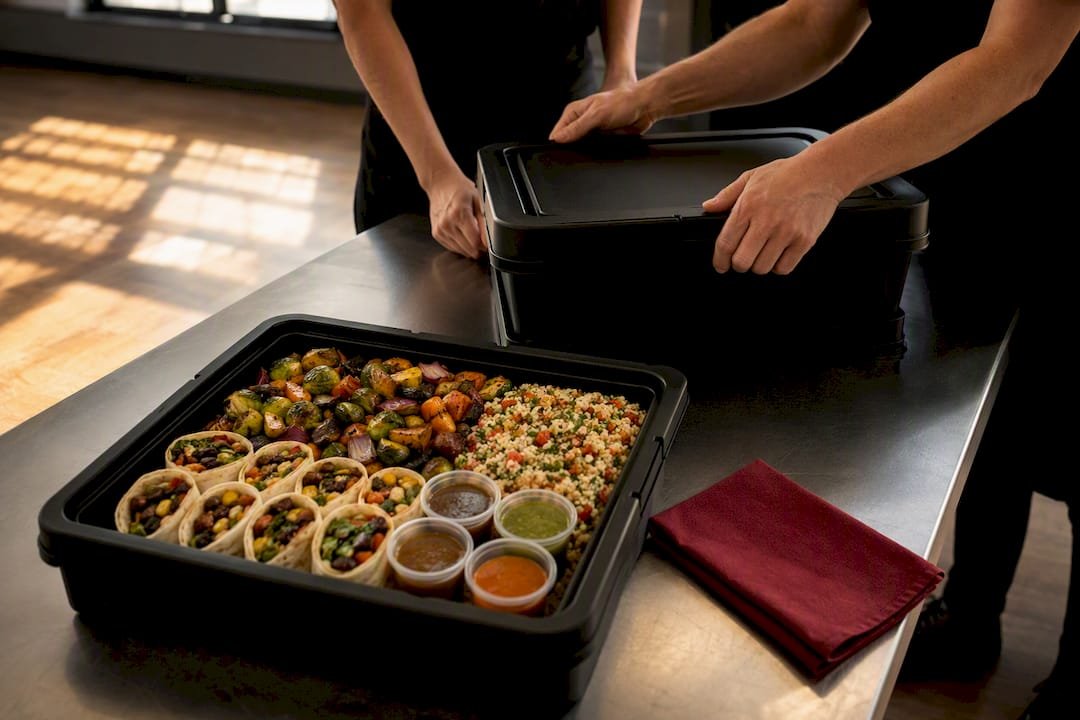
Whether you are eating in, ordering takeout, or planning a group event through their catering services, the experience is built around your dietary needs and flavour preferences. Gluten-free, vegan, keto, or classic: every option is made with the same commitment to fresh, local, wholesome food. Use the Winnipeg Mexican restaurant checklist to see exactly how Burrito Splendido measures up against every modern burrito benchmark that matters.
Frequently asked questions
What makes a burrito “modern” compared to traditional styles?
Modern burritos emphasise fresh, high-quality ingredients, nutritional transparency, and customisable options tailored to health-conscious diners, differing from traditional heavier, fixed recipes. Modern burrito restaurants typically offer build-your-own meals with meals averaging 400 to 600 calories.
Are fusion burritos considered less authentic?
Fusion burritos are a natural evolution of culinary traditions, not a lesser form. Many celebrated dishes, including Peruvian lomo saltado, originated through cultural blending, making fusion an expression of heritage rather than a departure from it.
How can I avoid a soggy burrito at modern restaurants?
A well-made burrito uses the “bean barrier” technique, spreading refried beans on the tortilla first to protect it from wet fillings. The bean barrier prevents sogginess by shielding the tortilla from moisture-rich ingredients like salsa and braised meat.
Are healthy burrito options available in Manitoba?
Yes. Manitoba has genuinely fresh and customisable Mexican-inspired burritos built around local ingredients and nutritional balance. Burrito Splendido in Winnipeg offers build-your-own burritos with locally sourced, nutrient-dense fillings across multiple dietary categories including vegan, gluten-free, and keto.