Manitoba-inspired eats are signature dishes rooted in prairie ingredients, Indigenous traditions, and immigrant heritage that you simply cannot find anywhere else in Canada. Honey dill sauce, pickerel, farmer’s sausage, and Winnipeg-style rye bread are foundational iconic Manitoba eats that define the province’s culinary identity. The food here reflects a cultural crossroads shaped by Indigenous peoples, Mennonite settlers, and Eastern European immigrants who each left a permanent mark on the local table. This guide covers the must-try Manitoba-inspired eats every food enthusiast and traveller needs to know before their first bite.
1. What are the must-try Manitoba-inspired eats?
Manitoba’s food culture is built on a short list of dishes that locals treat as non-negotiable. Indigenous, Francophone, and Eastern European influences converge here to produce a flavour profile unlike any other Canadian province. Knowing these dishes separates a curious visitor from someone who truly understands the place.
- Honey dill sauce. This creamy dipping sauce originated accidentally at a Winnipeg restaurant and is rarely found outside Manitoba. It pairs with chicken fingers and has become a local obsession. Ordering chicken fingers without it marks you immediately as an outsider.
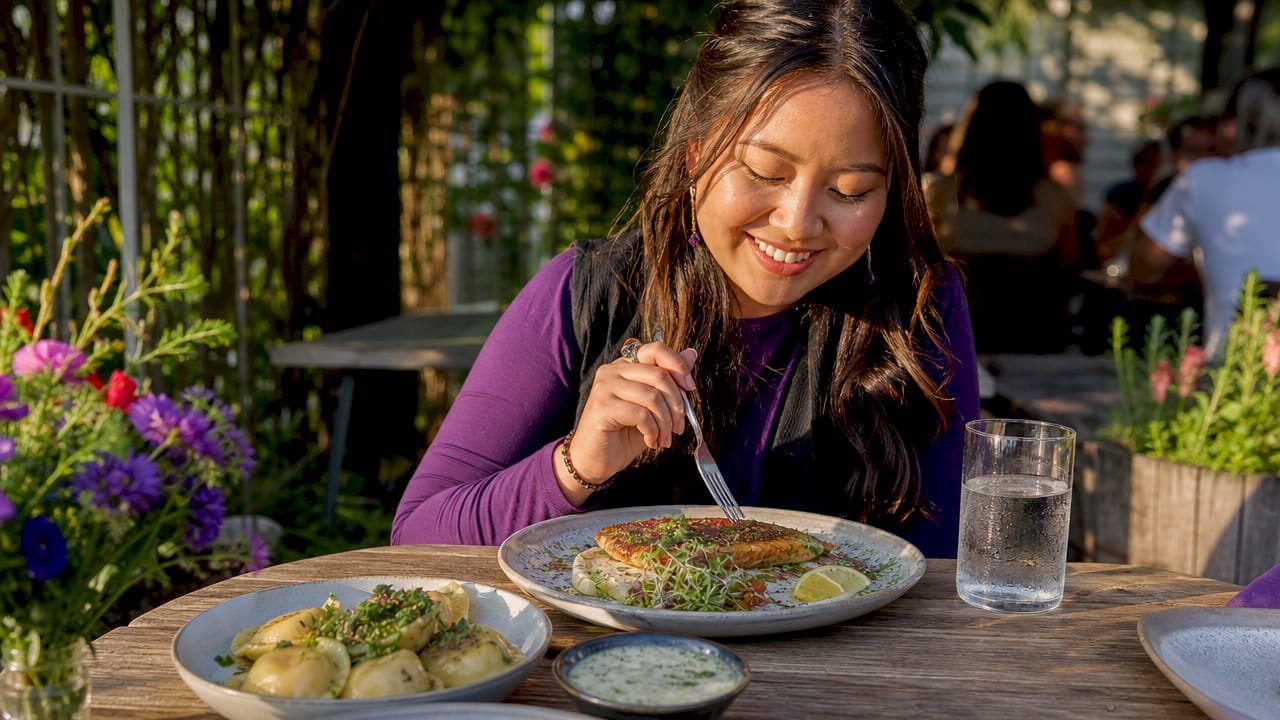
- Manitoba pickerel (walleye). Pickerel is the prized freshwater fish of the province, typically pan-fried or lightly battered. Its mild, flaky flesh makes it the gold standard of prairie lake cooking.
- Farmer’s sausage. A cold-smoked pork sausage rooted in Mennonite tradition, best enjoyed pan-fried in coins with perogies or stirred into a hearty soup. The smoking process gives it a depth of flavour that mass-produced sausage cannot replicate.
- Winnipeg-style rye bread. Dense, slightly sour, and baked with a dark crust, this bread is a staple in Winnipeg delis and homes alike. It reflects the city’s strong Eastern European baking tradition.
- The Fat Boy Burger. Originating in 1931, this Winnipeg diner classic features a chili-based sauce and grilled onions piled onto a beef patty. It remains a cultural touchstone at historic Winnipeg diners.
- Bannock. An Indigenous bread found in forms ranging from fry bread to pizza bases to dessert topped with saskatoon berry jam. Its versatility makes it one of the most culturally significant foods on this list.
- Perogies. Boiled or pan-fried dumplings stuffed with potato, cheese, or sauerkraut, perogies arrived with Ukrainian and Polish settlers and never left. They appear on menus from church basements to upscale restaurants.
Pro Tip: Order honey dill sauce on the side at any Winnipeg diner and watch the server’s reaction. If they smile and nod without explanation, you are in the right place.
2. How do Indigenous culinary traditions shape local Manitoba dishes?
Indigenous food traditions are the oldest layer of Manitoba’s culinary identity. Bannock serves as a cultural symbol of Indigenous resilience, found in multiple forms far beyond the generic fry bread stereotype most visitors expect. Wild rice, known as manoomin in Anishinaabe, is harvested from northern Manitoba lakes and carries deep spiritual and nutritional significance.
Feast Cafe Bistro in Winnipeg is the clearest example of Indigenous cuisine done with both pride and precision. Since 2016, Feast Cafe has been recognised as a top Indigenous-owned restaurant, serving bannock pizzas, bison chili, and pickerel sliders made with locally sourced ingredients. Chef Christa Bruneau-Guenther leads the kitchen with a philosophy that treats traditional ingredients as living culture, not museum pieces.
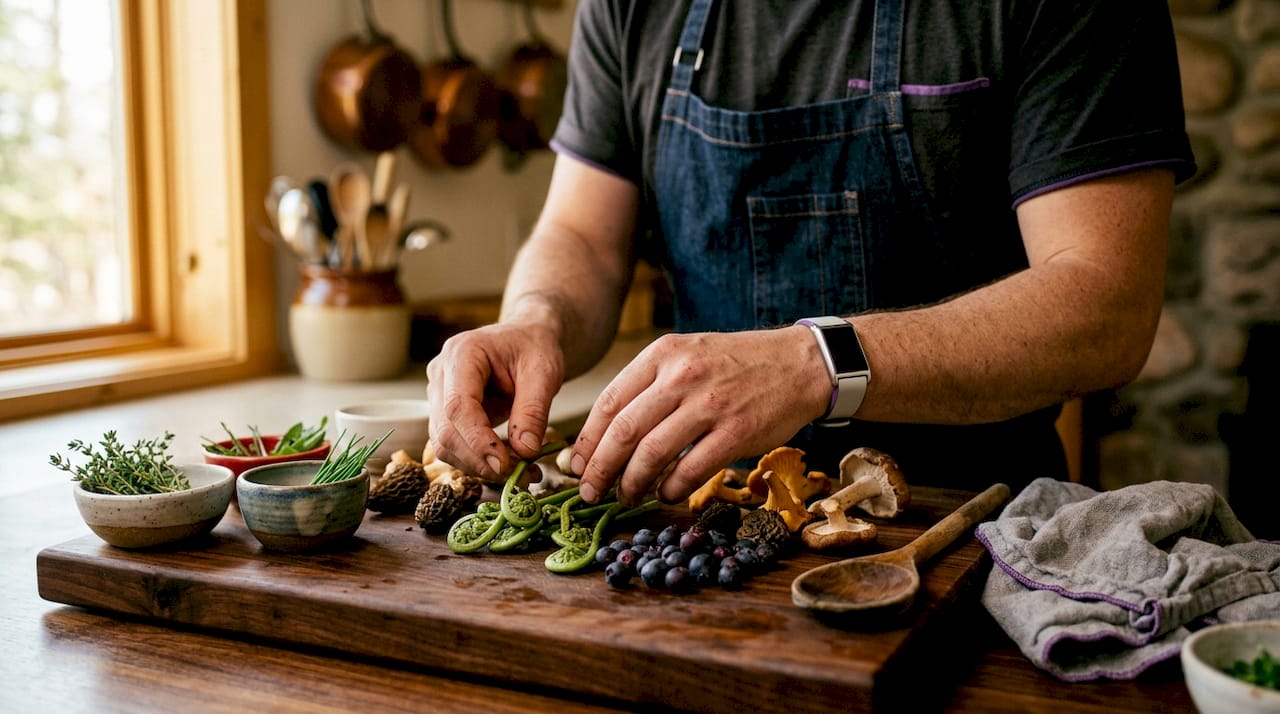
Foraged ingredients like saskatoon berries, wild mushrooms, and fiddleheads appear throughout Indigenous-inspired menus. Saskatoon berries in particular carry a flavour somewhere between a blueberry and an almond, and they work in everything from jams to savoury sauces. These ingredients connect the food directly to the land in a way that no imported product can match.
Pro Tip: When visiting Indigenous-owned restaurants, ask your server about the sourcing of specific ingredients. The stories behind wild rice or bison often make the meal more memorable than the food itself.
3. What role do immigrant cultures play in traditional Manitoba cuisine?
Eastern European and Mennonite settlers transformed Manitoba’s food culture in ways that are still visible on every menu in the province. Mennonite-influenced comfort foods like farmer’s sausage and perogies are central to Manitoba’s culinary identity, reflecting a rural farming heritage built on preservation, practicality, and flavour.
The key dishes from this tradition include:
- Perogies (vareniki). Ukrainian settlers brought these dumplings to the prairies in the late 1800s. Today, they appear stuffed with cheddar and potato, sauerkraut, or even sweet fillings, served with sour cream and fried onions.
- Farmer’s sausage in soup. A bowl of borscht or bean soup with sliced farmer’s sausage is a prairie farmhouse staple. The smokiness of the sausage transforms a simple broth into something deeply satisfying.
- Tourtière. This Francophone meat pie arrived with French-Canadian settlers and remains a holiday staple in many Manitoba homes. It uses ground pork, beef, or game meat seasoned with cloves and cinnamon.
- Cabbage rolls (holubtsi). Stuffed with rice and ground meat, then baked in tomato sauce, cabbage rolls are a Ukrainian contribution that has become a Manitoba comfort food standard.
The prairie agricultural heritage shows up in the ingredients themselves. Wheat, pork, root vegetables, and preserved meats dominate because these were the crops and animals that survived Manitoba winters. Understanding this context turns a simple plate of perogies into a lesson in prairie survival and community.
4. Where can travellers find the best eats in Manitoba today?
Finding authentic local food in Manitoba requires knowing where to look. The province’s food scene has grown significantly, with both traditional spots and newer venues offering genuine local flavour.
- Feast Cafe Bistro, Winnipeg. The top destination for Indigenous cuisine, with bannock pizzas and bison chili that represent the best of modern Indigenous cooking.
- Historic Winnipeg diners. Several long-running diners on Portage Avenue and in the North End serve the Fat Boy Burger and honey dill sauce in their original forms. These spots have not changed their recipes in decades.
- Winnipeg’s Exchange District. This neighbourhood concentrates some of the city’s most interesting food, from Eastern European delis to farm-to-table restaurants using Peak of the Market produce.
- The Forks Market. A year-round food hall at the junction of the Red and Assiniboine rivers, The Forks hosts vendors selling everything from perogies to bannock to local honey.
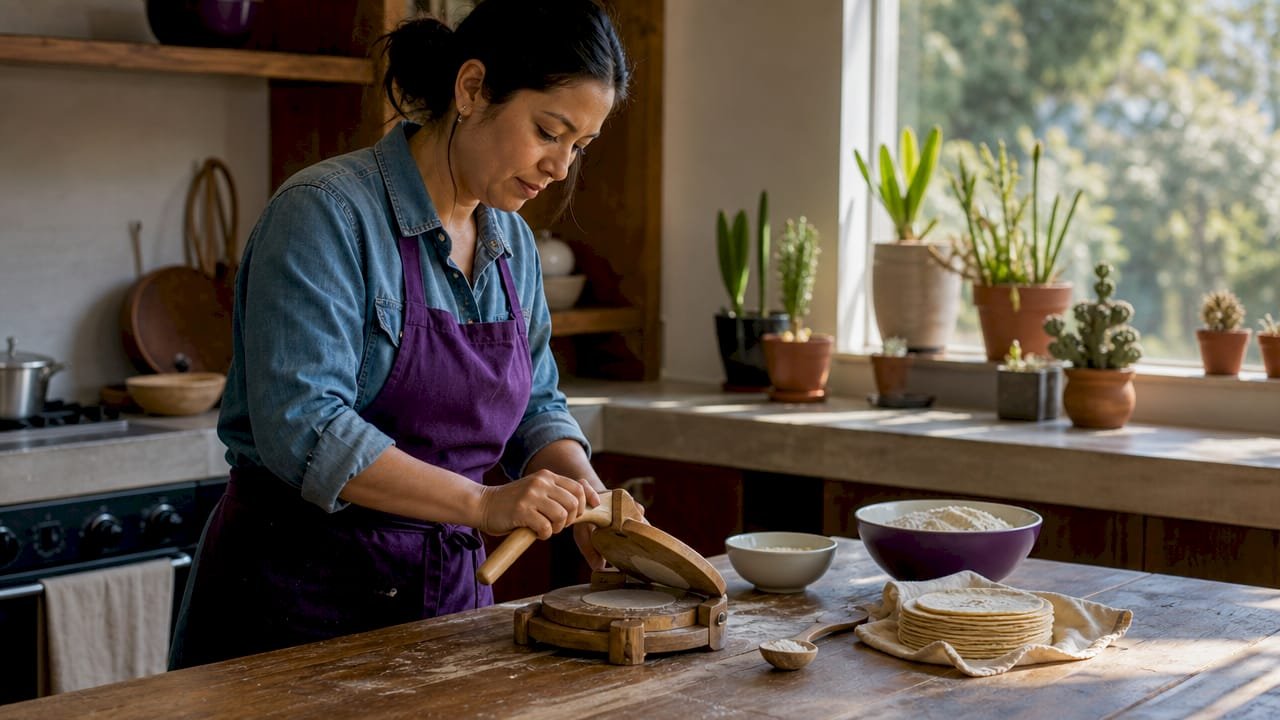
- Burritosplendido locations across Winnipeg and Brandon. Burritosplendido uses 100% Manitoba-produced flour for its house-pressed tortillas, pork from local farms, poultry from Granny’s Chicken, and cheese from Bothwell Cheese. Its seasonal Manitoba Pickerel tacos connect Mexican-inspired cooking directly to local prairie ingredients. You can explore their fresh, locally inspired menus across multiple Winnipeg locations.
- Seasonal farmers’ markets. The St. Norbert Farmers’ Market runs from may through october and is one of the best places to find saskatoon berry preserves, local honey, and fresh-baked rye bread directly from producers.
- Brandon’s food scene. Often overlooked by Winnipeg-focused guides, Brandon has its own strong tradition of Mennonite baking and Ukrainian cooking, with several family-run restaurants serving farmer’s sausage and perogies made from scratch.
Learning how to enjoy local food experiences like a seasoned traveller means prioritising venues where the sourcing story is as clear as the menu.
5. How does Manitoba cuisine compare to other Canadian regional food traditions?
Manitoba’s culinary identity is distinct from other Canadian regional cuisines in both its ingredients and its cultural roots. The comparison below shows where Manitoba stands apart.
| Region | Key influences | Signature ingredients | Defining dishes |
|---|---|---|---|
| Manitoba | Indigenous, Mennonite, Ukrainian | Bison, pickerel, saskatoon berries | Honey dill sauce, farmer’s sausage, bannock |
| Quebec | French, British | Maple syrup, pork, cheese curds | Poutine, tourtière, sugar pie |
| British Columbia | Pacific Northwest, Asian | Salmon, Dungeness crab, wild mushrooms | Spot prawn dishes, sushi, smoked salmon |
| Ontario | British, Italian, South Asian | Corn, peaches, lamb | Butter tarts, peameal bacon, Niagara wine pairings |
Manitoba’s prairie and Indigenous influences produce a cuisine built on preservation and land connection. Quebec’s French heritage leans toward rich sauces and charcuterie. British Columbia’s Pacific Northwest style prioritises fresh seafood and Asian technique. Manitoba sits apart because its defining ingredients, bison, walleye, and saskatoon berries, are genuinely regional and not widely cultivated elsewhere. That specificity is what makes Manitoba food worth seeking out.
Key takeaways
Manitoba’s most iconic eats are defined by Indigenous, Mennonite, and Eastern European traditions built on locally sourced prairie ingredients that no other Canadian province replicates.
| Point | Details |
|---|---|
| Honey dill sauce is uniquely Manitoban | It originated in Winnipeg and is rarely found outside the province. |
| Indigenous cuisine is the oldest food tradition here | Bannock, wild rice, and bison appear in both traditional and modern forms. |
| Mennonite and Ukrainian settlers shaped comfort food | Farmer’s sausage and perogies remain central to everyday Manitoba eating. |
| The Forks and Feast Cafe Bistro are essential stops | Both venues offer authentic local flavour in accessible, welcoming settings. |
| Local sourcing defines the best Manitoba restaurants | Venues using Peak of the Market produce and Bothwell Cheese deliver the most genuine experience. |
What I have learned eating my way through Manitoba
The food conversation about Manitoba almost always starts with poutine, which is a Quebec dish. That tells you something about how underrepresented Manitoba’s actual food culture is in the national conversation.
The dish that changed my thinking was farmer’s sausage pan-fried in coins with perogies and sour cream at a small Ukrainian restaurant in Winnipeg’s North End. Nothing about it was fashionable. Everything about it was correct. The smokiness, the crisp edges, the way the sour cream cut through the fat. That combination has been refined over generations and it shows.
The Indigenous food resurgence happening at places like Feast Cafe Bistro is the most exciting development in Manitoba’s food scene right now. Chefs are not recreating historical dishes as museum exhibits. They are using wild rice, bison, and bannock as living ingredients in menus that feel genuinely contemporary. That distinction matters. It means the food has a future, not just a past.
My honest recommendation for any traveller: skip the generic restaurant guides and spend one meal at an Indigenous-owned venue, one at a Ukrainian family restaurant, and one at a spot serving the Fat Boy Burger. Those three meals will tell you more about Manitoba than any food festival ever could. Burritosplendido’s farm-to-table approach to local flavours is also worth your time if you want to see how Manitoba ingredients translate into a different culinary tradition.
— Austin
Burritosplendido brings local Manitoba flavour to every meal
Burritosplendido has operated on a “Manitoba-first” sourcing philosophy since opening in Winnipeg in november 2012. Every tortilla is pressed fresh using 100% Manitoba-produced flour. Proteins like Carnitas and Barbacoa are slow-cooked and hand-pulled in-house daily. Cheese comes from Bothwell Cheese, produce from Peak of the Market, and poultry from Granny’s Chicken.
For events, office gatherings, or group meals, Burritosplendido’s catering services bring that same local-ingredient commitment to your table. The menu covers burritos, burrito bowls, street tacos, and quesadillas, with full options for gluten-free, vegan, and keto diets. If you want Manitoba flavour without the restaurant queue, catering is the most direct way to get it.
FAQ
What is honey dill sauce and where does it come from?
Honey dill sauce is a creamy dipping sauce made with honey and dill weed that originated in Winnipeg and is rarely found outside Manitoba. It is the standard accompaniment for chicken fingers across the province.
What is the best way to eat farmer’s sausage in Manitoba?
The traditional method is pan-fried in coins and served alongside perogies with sour cream, or sliced into a bowl of borscht or bean soup.
Where can I find authentic Indigenous food in Winnipeg?
Feast Cafe Bistro is the most recognised Indigenous-owned restaurant in Winnipeg, serving bannock pizzas, bison chili, and pickerel sliders using locally sourced ingredients.
What makes Manitoba pickerel different from other fish dishes?
Manitoba pickerel, also called walleye, is a freshwater fish prized for its mild, flaky flesh. It is a key prairie ingredient that appears in everything from classic pan-fried preparations to modern tacos at restaurants like Burritosplendido.
Are Manitoba-inspired eats available year-round?
Most iconic dishes like perogies, farmer’s sausage, and honey dill sauce are available year-round at Winnipeg restaurants and delis. Seasonal items like fresh pickerel and saskatoon berry preparations peak in summer and early autumn.