Manitoba has quietly become one of the most interesting places in Canada to eat Mexican food. The options range from simple street-style tacos to slow-braised pozole (a hearty hominy stew), and choosing well means balancing authenticity, nutrition, family needs, and your commitment to local ingredients. That last factor matters especially here, where Prairie farmers and producers supply kitchens year-round with some of the freshest ingredients on the continent. Whether you are feeding a table full of kids, eating consciously for your health, or simply chasing bold, genuine flavour, this guide gives you a clear and practical path through the best Mexican dishes available in Manitoba.
Table of Contents
- Criteria for choosing authentic Mexican dishes in Manitoba
- Key categories of Mexican dishes explained
- Comparing Mexican dish options for health, family, and local flair
- How to select the right Mexican dish for your Manitoba occasion
- Why Manitoba’s approach to Mexican cuisine is uniquely rewarding
- Connect with authentic Mexican dining and catering in Manitoba
- Frequently asked questions
Key Takeaways
| Point | Details |
|---|---|
| Authentic dish selection | Learning the main categories helps you identify genuine Mexican meals in Manitoba. |
| Health-first options | Choose ceviche, fish tacos, or veggie tamales for nutritious, lighter meals. |
| Local Manitoba flair | Manitoban-sourced ingredients make many Mexican dishes unique and community-focused. |
| Family sharing meals | Tacos, tamales, and pozole are ideal for family-style dining and events. |
| Practical decision steps | Match your dish choice to health, family, or local sourcing for the best experience. |
Criteria for choosing authentic Mexican dishes in Manitoba
Before you order anything, it helps to know what you are actually evaluating. Mexican cuisine is one of the world’s most diverse food traditions, and “authentic” means different things depending on the region of Mexico you are drawing from. Here is a straightforward framework that works well for Manitoban diners.
1. Authenticity of ingredients and technique
Genuine Mexican cooking relies on a short list of foundational ingredients: dried and fresh chiles, hominy (nixtamalised corn), slow-cooked proteins, fresh citrus, and masa (corn dough) for tortillas and tamales. When a restaurant presses its own tortillas from scratch using local Manitoba flour, that is a strong signal of commitment to quality. Slow-cooked proteins like carnitas (braised pork) and barbacoa (shredded beef) require hours of low-and-slow cooking. If a menu item is done in minutes, it probably is not the real thing.
2. Nutritional value and lighter meal choices
Good Mexican food is naturally nutritious when it is prepared without deep frying. Healthy Mexican menu tips point toward dishes that lead with protein, fibre from beans, and fresh vegetables. Options like high-protein fish tacos and ceviche (seafood marinated in lime juice), grilled carne asada, pozole, and veggie tamales deliver real nutritional value without relying on heavy cheese or fried components. Avoiding deep-fried shells and cream-heavy sauces keeps your meal both flavourful and light.
3. Family appeal: portion size, sharing, and mild options
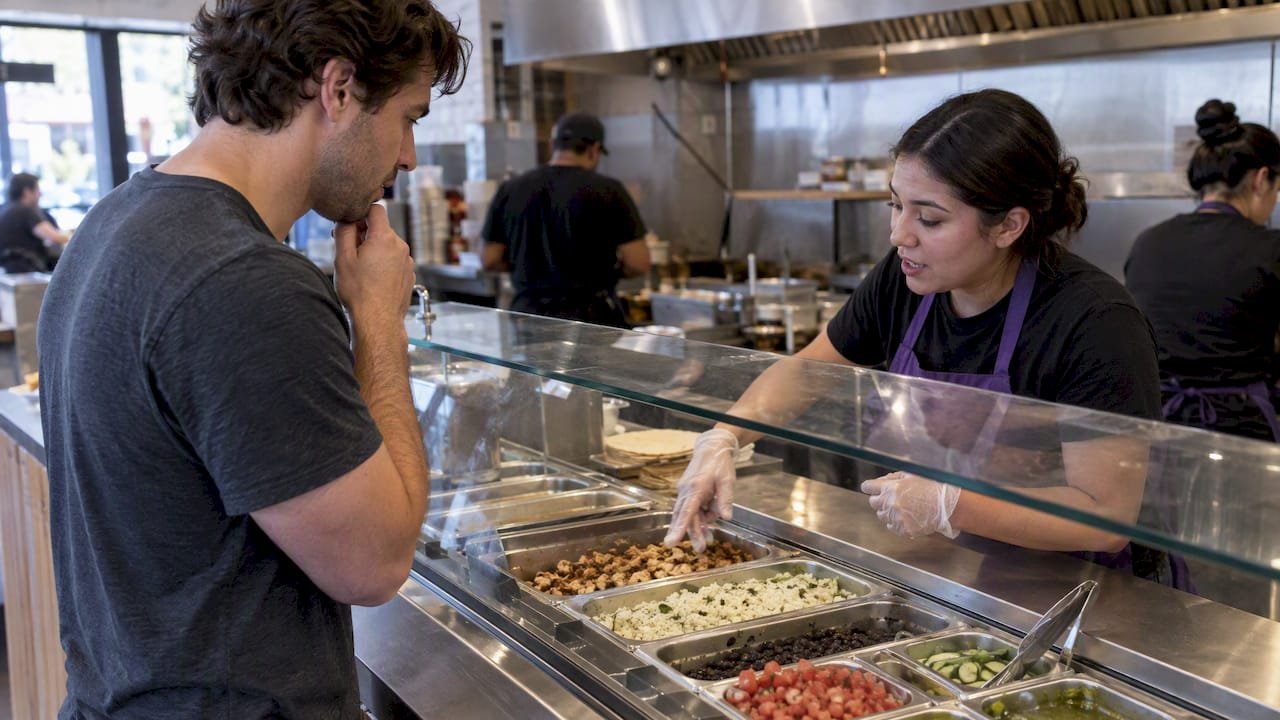
The best family Mexican meals are adaptable. Tacos in particular lend themselves to family-style dining because everyone can customise their own. Look for restaurants that offer mild salsa options, smaller portions for children, and shareable formats. If you are dining out with kids, a place that offers a build-your-own approach removes the stress of picky eaters entirely.
4. Local sourcing: Manitoba-grown ingredients in Mexican dishes
This is where Manitoba dining gets genuinely exciting. When a restaurant sources its chicken from a local farm, presses tortillas from Manitoba-grown wheat, and pulls its fresh produce from Prairie growers, you are getting something no other region can replicate. That is the intersection of Mexican culinary tradition and Manitoba agricultural pride.
Pro Tip: Ask your server which proteins on the menu are slow-cooked in-house. That single question separates kitchens that take their craft seriously from those that simply heat pre-made ingredients.
With criteria in mind, let us break down the main categories and popular dishes you can expect to find.
Key categories of Mexican dishes explained
Mexican cuisine breaks into distinct categories, each with its own flavour profile, technique, and nutritional footprint. Understanding these helps you order with confidence rather than just pointing at something familiar.
Tacos
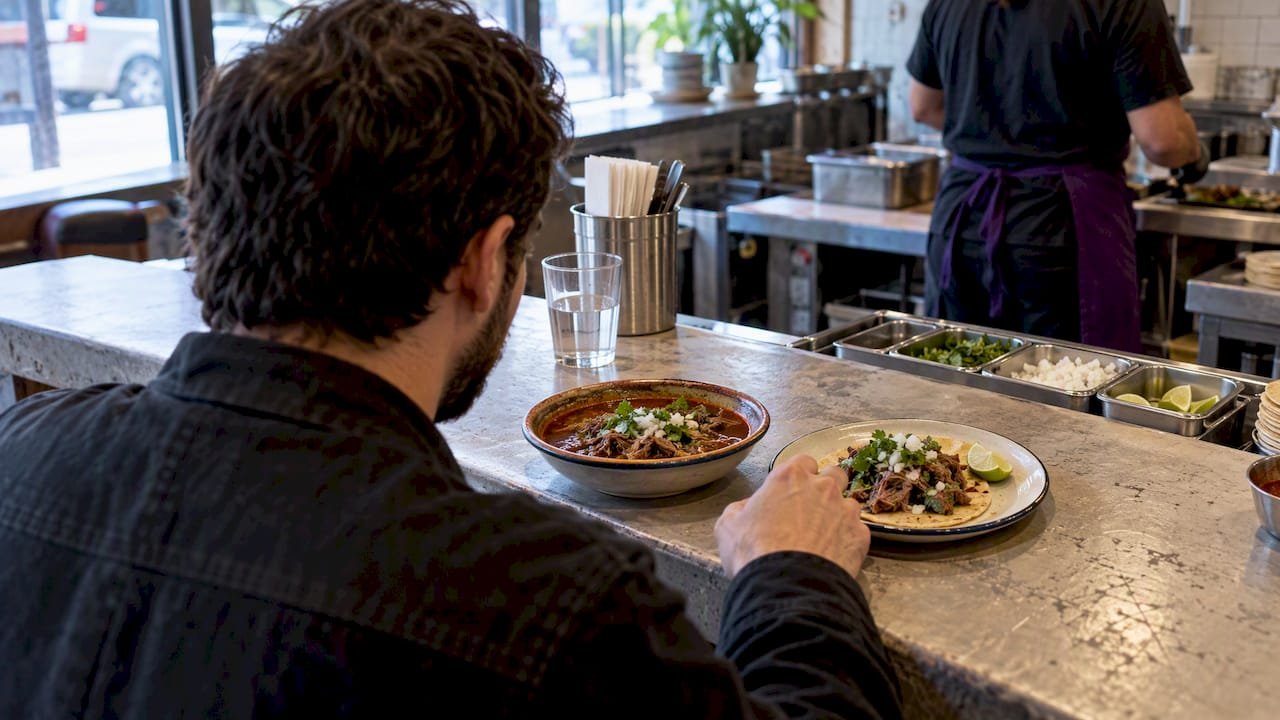
Tacos are arguably Mexico’s most iconic dish, and they come in dozens of legitimate regional styles. Al pastor (marinated pork cooked on a vertical spit), carnitas (braised and crisped pork), carne asada (grilled beef), and fish tacos are the most common in Manitoba restaurants. Each filling has a distinct flavour, and the quality of the tortilla makes an enormous difference. Soft corn tortillas have a nuttier, earthier flavour than flour tortillas, while fresh-pressed flour tortillas offer a slightly chewy, rich base.
Moles
Mole (pronounced “moh-lay”) is a sauce, not a dish. There are over 20 distinct varieties of mole across Mexico’s regions, from the famous mole negro of Oaxaca (which contains chocolate and dried chiles) to the simpler, brighter mole verde (made with tomatillos and pepitas). A proper mole contains anywhere from 20 to 30 ingredients. It is a labour-intensive sauce that signals real kitchen dedication.
Tamales
Tamales are made from masa dough spread onto corn husks or banana leaves, filled, and then steamed. Regional variations are wide: Oaxacan tamales are wrapped in banana leaves and tend to be moister, while Michoacán corundas are triangular and unfilled. In Manitoba, tamales are sometimes adapted with local ingredients, making them a uniquely Prairie-Mexican creation.
Pozole
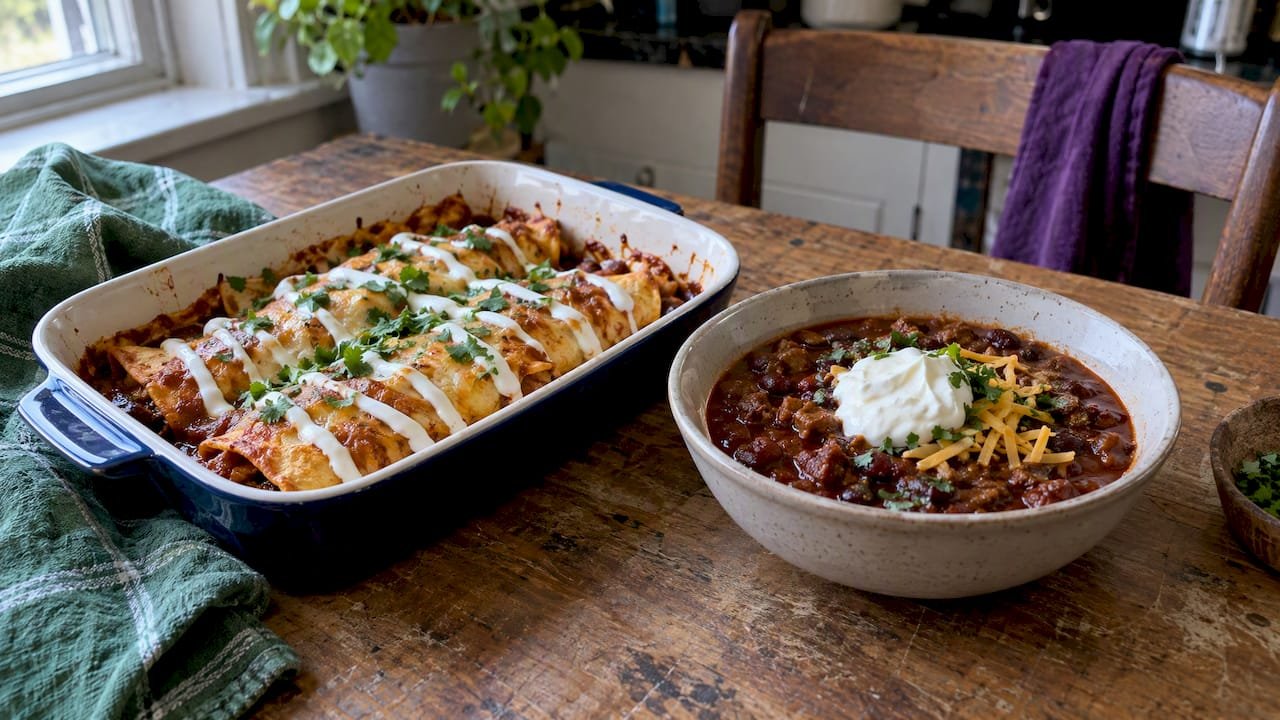
Pozole is a rich, comforting stew made from hominy corn and either pork or chicken, slow-simmered in a deeply flavoured broth and topped with shredded cabbage, radish, lime, and oregano. It is filling without being heavy, and the hominy provides a satisfying chewiness. For health-conscious diners, pozole is an outstanding choice because it is high in fibre and protein with minimal added fat.
Ceviche
Ceviche is raw seafood, typically shrimp or white fish, “cooked” through a chemical reaction with fresh lime juice. The acid denatures the proteins in the seafood without heat. It is bright, fresh, and extraordinarily low in calories while being high in lean protein. For Manitoba diners who appreciate fresh, minimally processed food, ceviche is a standout option.
| Dish | Primary protein | Cooking method | Carb level | Best for |
|---|---|---|---|---|
| Tacos (carnitas) | Braised pork | Slow-cooked | Medium | Family sharing |
| Fish tacos | White fish | Grilled or baked | Medium | Health-conscious diners |
| Pozole | Pork or chicken | Slow-simmered | Low to medium | Cold Manitoba evenings |
| Ceviche | Shrimp or fish | Citrus-marinated | Very low | Light meals, summer |
| Veggie tamales | Beans, vegetables | Steamed | Medium | Vegan, gluten-sensitive |
| Mole chicken | Chicken | Braised/sauced | Low | Adventurous diners |
These categories provide the base for your option set. Now let us compare their features side by side.
Comparing Mexican dish options for health, family, and local flair
Choosing a dish based purely on taste is perfectly valid, but knowing how your meal stacks up nutritionally and how well it fits your dining situation helps you get more satisfaction from every meal.
For health-conscious diners, ceviche and grilled fish tacos consistently rank as top choices because they offer high protein and fresh vegetables without deep frying or heavy cream sauces. Pozole also earns high marks because the hominy provides resistant starch, a type of fibre that supports digestive health. Veggie tamales are an excellent option for those avoiding meat, offering complex carbohydrates from masa alongside fibre from bean or vegetable fillings.
“The best meals are the ones that nourish the body and reflect the place where they were made. In Manitoba, that means Mexican food with Prairie soul.”
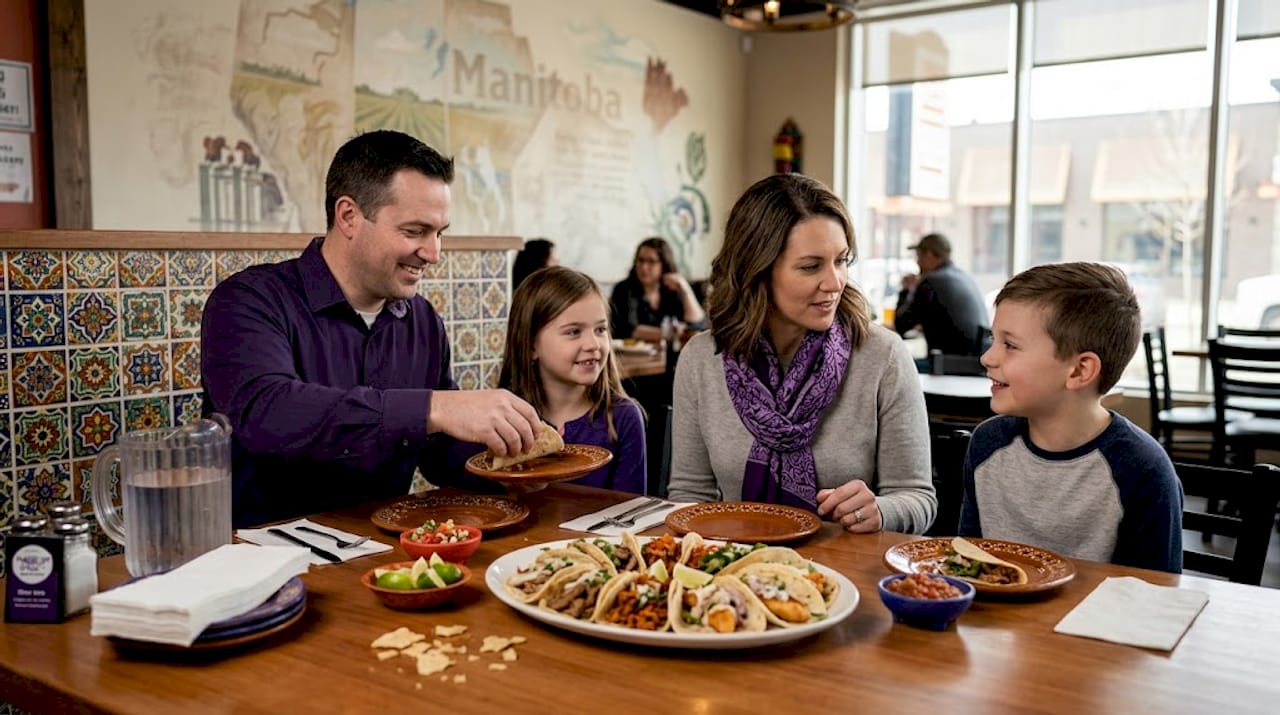
For families, the family-friendly Winnipeg Mexican approach works because tacos are endlessly adaptable. Kids who dislike spice can have simple chicken or cheese tacos. Adults can load up on house-made salsas and pickled jalapeños. Tamales are also family favourites because they are self-contained, easy to eat without utensils, and deeply satisfying.
For diners who care about local sourcing, the real conversation is about what is in the tortilla and where the protein came from. Manitoba is one of Canada’s leading agricultural provinces, and restaurants that customise Manitoba Mexican options with locally grown wheat, Prairie-raised pork, and locally sourced produce offer something genuinely distinctive. Bothwell Cheese, a Manitoba institution, adds a regional character to quesadillas and burrito bowls that you simply cannot get elsewhere.
A meaningful detail for Manitoba diners: when a restaurant uses Peak of the Market produce (a Manitoba-based grower collective), the vegetables in your bowl are likely harvested within days of serving. That freshness is measurable and noticeable on the plate.
Now you have a clear comparison. Let us look at practical ways to decide which dish suits your situation.
How to select the right Mexican dish for your Manitoba occasion
Decision-making at a Mexican restaurant does not have to be stressful. Breaking it into a few simple steps makes the process both quicker and more satisfying.
Step 1: Identify your primary goal for the meal
Are you feeding a family? Eating for your health? Wanting to try something new that also supports local farmers? Your answer narrows the menu significantly. Health-focused diners should head straight for authentic Mexican street food picks like fish tacos or ceviche. Families with varied tastes do well with taco-centred orders where everyone builds their own.
Step 2: Check how proteins are prepared
This is the single most revealing question. Slow-cooked proteins like carnitas or barbacoa are almost always better in flavour and texture than quickly grilled proteins, and they tend to be more nutritionally complete because the cooking process breaks down connective tissue into collagen. Ask directly: is this braised in-house or pre-made?
Step 3: Assess dietary needs at the table
If someone in your group is gluten-free, look for farm-to-fork Mexican restaurants that use certified corn tortillas or separate preparation surfaces. Vegan diners are well-served by bean-based dishes, veggie tamales, and citrus-marinated vegetable options. For keto or paleo eaters, a naked burrito bowl (no tortilla, rice optional) with grilled protein and fresh salsa hits the mark.
Step 4: Consider the season
Manitoba’s seasons genuinely affect what is freshest on a given menu. Summer is the time for ceviche and fresh vegetable-loaded tacos when Prairie produce is at its peak. Winter calls for pozole, braised meats, and heartier tamales. Seasonal whitefish tacos featuring Manitoba pickerel are a genuinely special offering that only exists because of the province’s freshwater fishing heritage.
Step 5: Ask for customisation
Good Mexican restaurants expect customisation requests. Prioritising seafood stews and bean-based dishes over creamy or fried options is easier when you communicate your preferences clearly. Many Winnipeg spots offer patio seating and kid-friendly taco formats. Do not hesitate to ask for mild salsa, smaller portions for children, or a side of corn tortillas instead of flour ones.
Pro Tip: When dining out with family, order two or three different proteins and let everyone share. You get more variety, the kids get to try new things, and the meal becomes an experience rather than just a transaction.
With these practical strategies in hand, readers can confidently enjoy real Mexican cuisine in Manitoba. Now let us step back and share a perspective on what makes this journey genuinely special.
Why Manitoba’s approach to Mexican cuisine is uniquely rewarding
There is a conversation worth having about what “authentic” actually means. Food purists sometimes argue that Mexican cuisine served outside of Mexico is, by definition, inauthentic. That view misses something important.
Every great food tradition evolved through contact with local ingredients and community preferences. The mole negro of Oaxaca exists because of chiles that grew in Oaxacan soil, chocolate traded through Mesoamerica, and techniques developed by specific communities over generations. It is inherently local. The most respectful thing a Manitoba kitchen can do is apply that same philosophy here: use what Manitoba grows, honour the technique, and let the result reflect this specific place and time.
When a Winnipeg restaurant slow-braises Prairie pork in the style of Michoacán carnitas, or makes pickerel tacos because Lake Winnipeg whitefish is what is genuinely fresh and local, that is not a corruption of Mexican food. It is a continuation of Mexican food’s deepest value, which is honouring local ingredients through careful, skilled preparation.
The unexpected reward of this approach is community. When you eat at a Manitoba restaurant that sources from Peak of the Market, uses Bothwell Cheese, and buys chicken from Granny’s Chicken, your meal circulates money through the local economy in a tangible way. You are not just eating well. You are participating in something that strengthens the place where you live.
For families especially, that story is worth telling at the table. Children who understand that their taco came from a nearby farm, was cooked fresh that morning, and was served without a fryer in sight are developing a relationship with food that will serve them for life.
Connect with authentic Mexican dining and catering in Manitoba
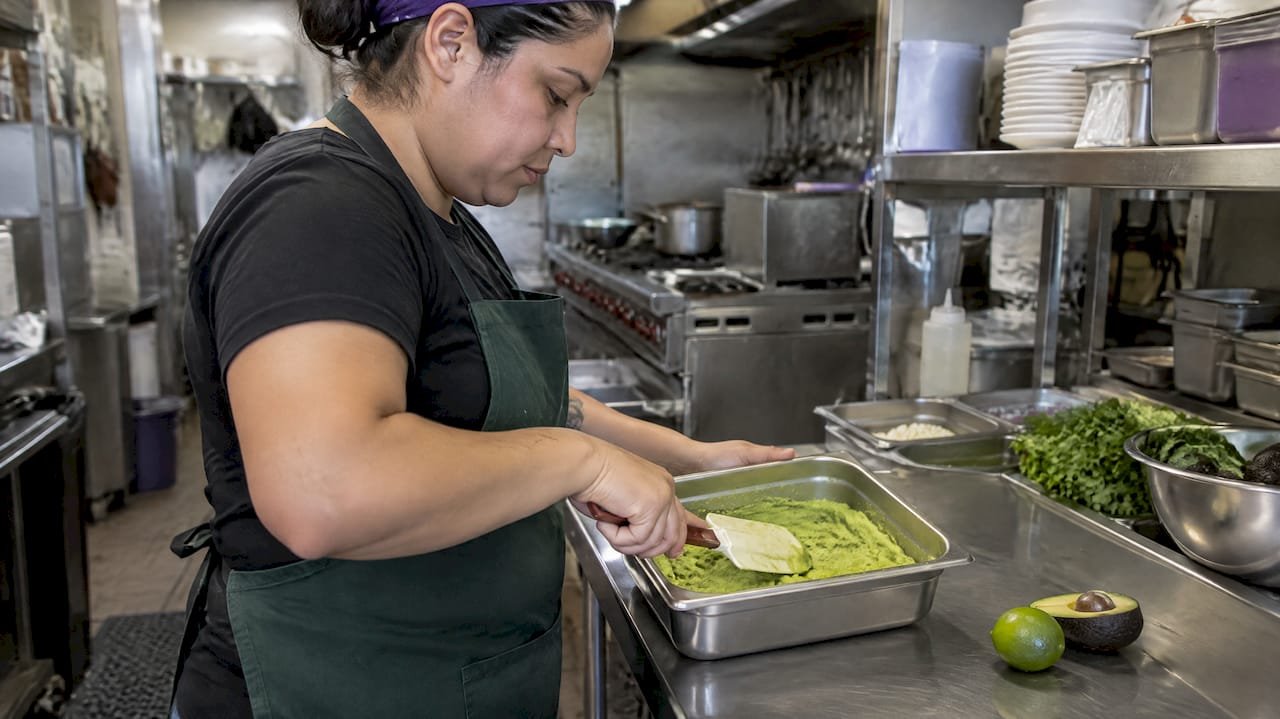
If this article has sparked your appetite for genuine, locally grounded Mexican food, the next step is easy. Burrito Splendido brings together everything described here: house-pressed tortillas, slow-cooked proteins, Manitoba-sourced produce, and a deep-fryer-free kitchen that keeps every meal clean and honest.
Whether you are planning a weeknight family dinner or organising a corporate or community event, healthy Mexican dining Manitoba starts with knowing where to go. Burrito Splendido’s Mexican catering Winnipeg service brings fresh, customisable Mexican food to any occasion, from office lunches to large celebrations. And if you want to bring the experience home, the home taco guide walks you step by step through making authentic tacos in your own kitchen using ingredients you can source right here in Manitoba.
Frequently asked questions
What are the healthiest types of Mexican dishes to order in Manitoba?
Ceviche, grilled carne asada, pozole, veggie tamales, and fish tacos are excellent choices because they lead with protein and fresh vegetables while avoiding heavy frying or excess cheese. These dishes align well with a range of dietary goals, from weight management to clean eating.
How do local Manitoba restaurants adapt traditional Mexican dishes?
Many Manitoba restaurants use locally grown produce and Prairie-raised proteins, and local Winnipeg spots often offer patio seating, child-friendly portions, and citrus-marinated or bean-based lighter options rather than the heavier, cream-forward versions found elsewhere.
Are there gluten-free or vegan Mexican dish options in Manitoba?
Veggie tamales, bean-based meals, and ceviche are widely available and naturally suit gluten-free and vegan diets, especially at restaurants that use certified corn tortillas and take cross-contamination seriously with dedicated preparation practices.
Which Mexican dishes are best for sharing with families?
Tacos, tamales, and pozole are ideal for family-style meals because they are easy to customise, naturally portioned for sharing, and adaptable enough to satisfy both adventurous and cautious eaters at the same table.